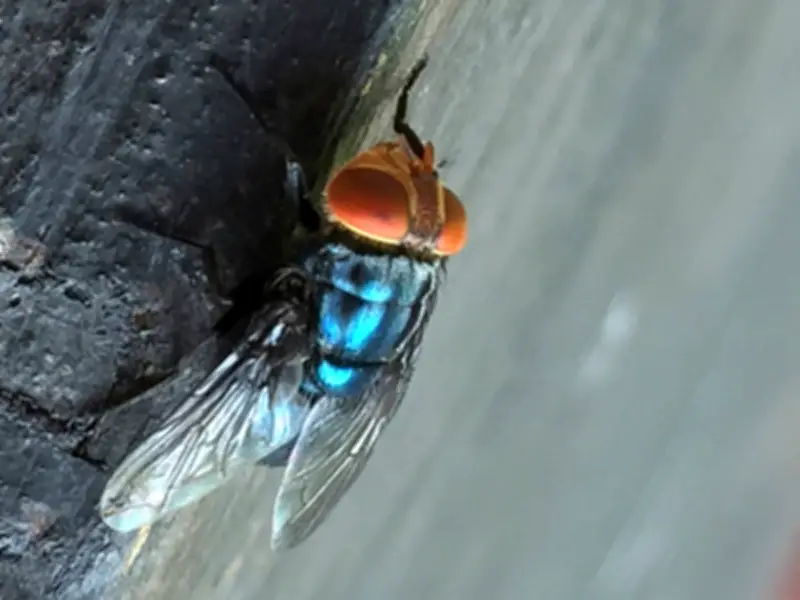
Two new cases of the flesh-eating screwworm have been confirmed in Texas, raising alarm among livestock producers and public health officials. The U.S. Department of Agriculture (USDA) reported the infections in animals located far apart, indicating a wider spread of the parasite.
What Is Screwworm?
Screwworm is the larvae of the New World screwworm fly, which infests warm-blooded animals, including cattle, pets, and humans. The larvae feed on living tissue, causing severe wounds and potentially death if untreated. The parasite is endemic to parts of South America and the Caribbean but has been eradicated from the U.S. and Central America through sterile insect techniques.
Recent Cases in Texas
The USDA confirmed the infections in two animals in separate locations in Texas. The cases are the first detected in the state since a 2023 outbreak in Florida. Officials are investigating the source and implementing quarantine measures to prevent further spread.

Dr. Isaac Bogoch, an infectious disease specialist, explained that screwworm infestations can escalate quickly if not identified early. “The larvae burrow into the skin, causing extensive tissue damage. Prompt veterinary care is critical,” he said.
Impact on Livestock and Agriculture
The Texas cattle industry, worth billions of dollars, is on high alert. Ranchers are advised to inspect animals daily for wounds or signs of infestation, such as maggots or foul odors. The USDA has deployed teams to assist with surveillance and treatment.
“We are taking this very seriously,” said a USDA spokesperson. “Our goal is to contain and eliminate this threat to protect animal health and the agricultural economy.”
Prevention and Control
Preventative measures include treating wounds with insecticide, using fly traps, and maintaining strict biosecurity. The sterile insect technique, which involves releasing sterilized male flies to reduce reproduction, has been effective in past eradication efforts.
Public health officials also urge caution for pet owners and outdoor enthusiasts. Humans can be infested if they have open wounds exposed to screwworm flies. Wound care and insect repellent are recommended.
Historical Context
The U.S. eradicated screwworm in the 1960s through a joint effort with Mexico and Central America. However, recent outbreaks in Florida and now Texas suggest the parasite may be re-emerging due to climate change or increased travel.
“We need to remain vigilant,” said Dr. Bogoch. “Climate shifts could allow screwworm to expand its range northward.”
The USDA continues to monitor the situation and urges anyone suspecting an infestation to report it immediately.