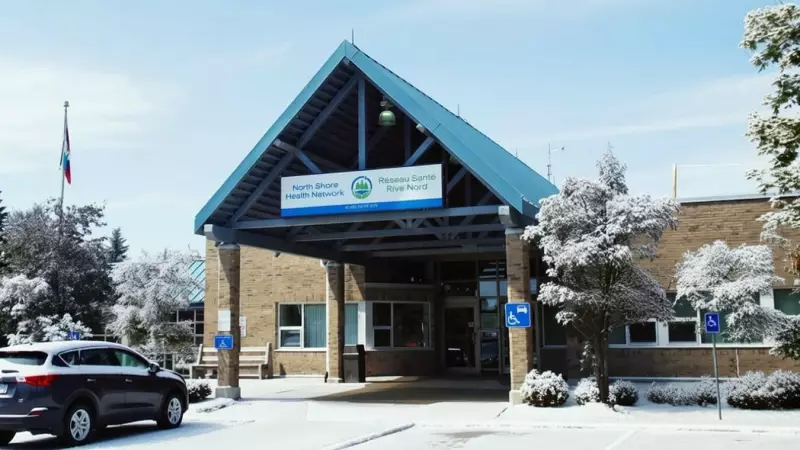
A respiratory virus outbreak at a long-term care facility in northern Ontario has led to the immediate reinstatement of infection control measures, including mandatory masking and significant limits on visitors.
Outbreak Prompts Immediate Safety Measures
The outbreak, identified as rhinovirus, was declared at a long-term care home in Blind River, Ontario. In response, home administration implemented strict new rules effective January 3, 2026. The primary action is a postponement of all non-essential visits to the facility. This measure is designed to limit potential vectors for the virus and protect the vulnerable resident population.
For those deemed essential visitors, a mask mandate is now firmly in place. Anyone entering the home for essential purposes must wear a mask for the duration of their visit. This protocol is a standard public health response to curb the spread of respiratory illnesses in congregate living settings.

Understanding the Rhinovirus Threat
While often associated with the common cold, rhinovirus can pose a serious health risk to elderly individuals and those with underlying medical conditions, which are common in long-term care populations. Symptoms can escalate beyond a typical cold, leading to complications such as pneumonia or exacerbating existing chronic illnesses.
The decision to limit visitors is a preventative step, acknowledging that community transmission can easily be introduced into a care home environment. By restricting access, the facility aims to create a protective barrier around its residents while staff work to contain the outbreak internally.
Broader Context and Resident Safety
This incident in Blind River occurs amidst a wider landscape of respiratory virus activity across Canada. It serves as a reminder of the ongoing vigilance required in healthcare settings, even as the immediate crisis of the COVID-19 pandemic has receded. Long-term care homes remain particularly sensitive to outbreaks due to the close living quarters and health status of residents.
The home's administration has not specified the number of residents or staff affected but confirmed that the outbreak declaration triggers a standard set of provincial protocols. These typically include enhanced cleaning, cohorting of affected individuals, and close monitoring of all residents for symptoms.
Families of residents have been notified of the situation and the new temporary rules. The home is advising the public to check for updates before attempting to visit and to respect the restrictions, which are in place solely for resident safety. There is no indicated timeline for the lifting of measures, as that will depend on the course of the outbreak and guidance from local public health authorities.