Genetic Breakthrough Uncovers World's Oldest Known Domesticated Dog
A remarkable genetic study has conclusively identified the earliest-known domesticated dog in the historical record, with the remains dating back approximately 15,800 years. This groundbreaking discovery fundamentally reshapes our understanding of when and where the profound bond between humans and canines first began.
The Pivotal Discovery in Gough's Cave
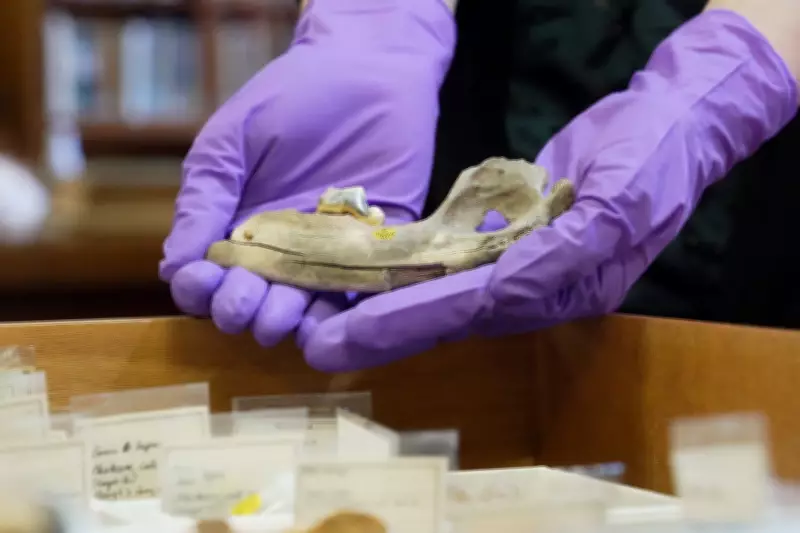
The research centers on a meticulously preserved dog jawbone, unearthed at the renowned Gough's Cave archaeological site in the United Kingdom. This specific specimen, which is approximately 14,300 years old, served as a crucial piece of evidence. However, through advanced genetic sequencing and comparative analysis with other ancient samples, scientists have pushed the timeline of canine domestication even further back.
The study confirms that dogs were living alongside humans as domesticated companions over 15 millennia ago. This finding suggests a much earlier and more complex history of human-canine co-evolution than previously documented by the archaeological community.

Scientific Methodology and Implications
Researchers employed cutting-edge paleogenetic techniques to extract and analyze DNA from the ancient jawbone. By comparing its genetic signature to those of other prehistoric canids and modern dog breeds, they were able to:
- Accurately date the specimen and establish its place in the evolutionary lineage.
- Distinguish it clearly from wild wolves, confirming its status as a domesticated animal.
- Trace potential migration patterns of early human populations with their canine companions.
"This isn't just about finding an old bone," explained a lead researcher on the project. "It's about decoding a shared history. The genetic data tells a story of mutual survival and partnership that stretches back into the depths of the last Ice Age."
Redefining the Timeline of Domestication
Prior to this discovery, the consensus on dog domestication was fragmented, with estimates varying widely. This study provides a firm, scientifically-validated anchor point at 15,800 years before present. It challenges previous models and offers a clearer starting point for understanding how wolves gradually evolved into the diverse, loyal dogs we know today.
The implications extend beyond mere chronology. Understanding this deep-rooted relationship helps scientists explore broader themes in human history, including settlement patterns, hunting practices, and the social structures of prehistoric communities. The dog's role likely evolved from a working partnership in hunting and protection to one of companionship, a transition now evidenced to have ancient origins.
This research, published in a major scientific journal, opens new avenues for inquiry into animal domestication and the indelible mark left by humanity's first and most enduring animal friend.