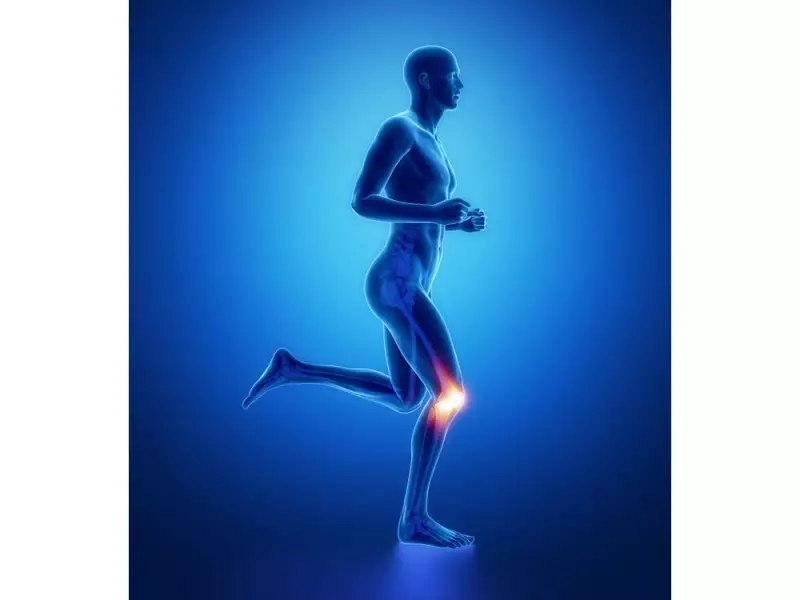
Groundbreaking Clinical Trial for Knee Osteoarthritis Treatment
The Steadman Philippon Research Institute (SPRI) has partnered with Neuromuscular Dynamics, LLC (NMD) to launch a significant clinical trial that could transform how knee osteoarthritis is treated without surgery. Announced on November 18, 2025, this three-year study received funding from the National Institute on Aging (NIA) at the National Institutes of Health (NIH).
The trial will evaluate the effectiveness of NMD's patented Leg Dexterity System, a portable device designed for home use that aims to help patients with knee osteoarthritis reduce pain and regain mobility through targeted neuromuscular training.
Innovative Approach to Osteoarthritis Care
The eight-week study represents a novel approach to managing knee osteoarthritis, a condition that affects millions of Canadians and can significantly impact quality of life. Unlike traditional treatments that often focus on pain management or surgical intervention, the Leg Dexterity System takes a different approach by training the neuromuscular system.

Developed by NMD co-founder and USC professor Francisco Valero-Cuevas, Ph.D., the device challenges users to stabilize their foot on an instrumented spring-loaded, unstable platform. This controlled instability activates fast sensorimotor responses that help the leg mediate dynamic contact with the ground, effectively training the coordination of muscles around the hip, knee, and ankle.
The system includes a connected tablet that sends data to the cloud for analysis, enabling both patients and clinicians to track progress and make ongoing treatment evaluations.
Rigorous Scientific Methodology
The clinical trial will be conducted at SPRI's state-of-the-art Biomotion Laboratory in Vail, Colorado, under the leadership of principal investigators Erika Valero, RN, and Scott Tashman, Ph.D., SPRI's Director of Biomedical Engineering. The study will enroll 84 participants who will be randomly assigned to one of two groups.
One group will train using the Leg Dexterity System's unstable spring platform, while the comparison group will use a wobbleboard, which has previously demonstrated benefits for improving balance and control in individuals with knee osteoarthritis. Both groups will receive app-based tools to monitor and encourage training participation throughout the eight-week program.
Dr. Tashman emphasized the importance of the study's design, noting that "This system aligns perfectly with SPRI's commitment to rigorous, blinded, dose-matched trials that generate actionable insights for patient care for knee osteoarthritis."
Potential Impact on Osteoarthritis Treatment
If successful, the Leg Dexterity System could provide a valuable supplement to existing non-surgical treatments for knee osteoarthritis. The condition currently affects approximately 10% of Canadian adults, with prevalence increasing with age.
Dr. Valero-Cuevas expressed enthusiasm about the partnership, stating, "I've long admired SPRI's leadership in clinical research to change people's lives for the better. We're excited to take the Leg Dexterity System into a formal trial setting and validate its potential to transform how we manage joint degeneration in individuals who wish to remain active at any age."
The collaboration between the two scientists has deep roots, as Dr. Valero-Cuevas and Dr. Tashman first worked together as Ph.D. students in biomechanical engineering at Stanford University, studying under the eminent Felix Zajac. Their reunion for this project represents a promising frontier in osteoarthritis care that could benefit patients across Canada and beyond.