The Cold Hard Truth About Over-the-Counter Cold Medications
Given the extensive shelf space dedicated to them in pharmacies, it might come as a shock to learn that most over-the-counter cold medications are largely ineffective. Considering the staggering amount of money spent on these products each year—estimated at $2.9 billion in the United States alone—their persistent presence in medicine cabinets is both perplexing and economically wasteful.
Understanding the Common Cold
To begin with, the "common cold" is not a single disease but a catch-all term for various viral infections circulating in our environment. Most adults experience two to three such infections annually, while children tend to get five to seven. Unlike bacterial infections, which can be treated with antibiotics, viral infections typically have no specific cure and must run their natural course. Although antivirals exist for viruses like influenza and COVID-19, their benefits are modest, and they are not widely utilized.
Symptom Relief vs. Cure
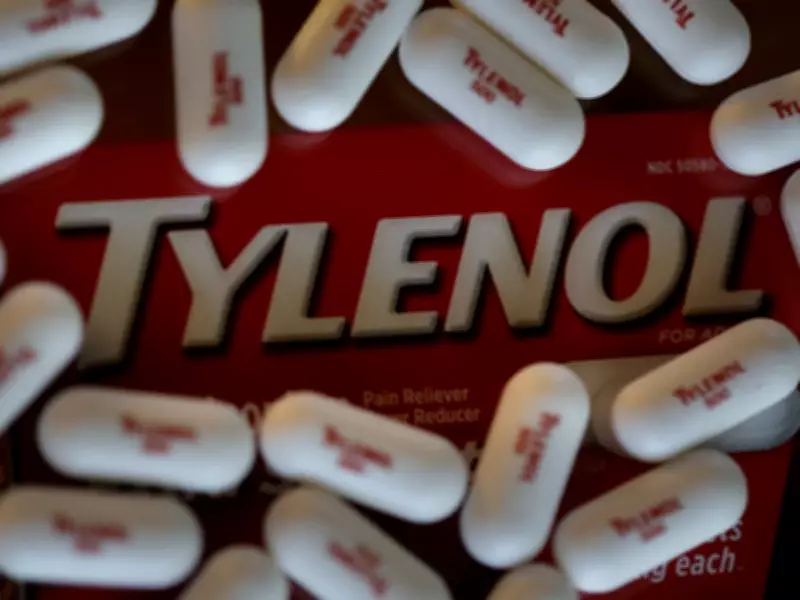
None of the over-the-counter cold medications available at pharmacies are cures. Instead, they are designed to alleviate symptoms and make you feel less miserable while your body battles the infection. Among the plethora of products on the market, the most commonly used are analgesics such as acetaminophen (sold as Tylenol), ibuprofen (Advil), and naproxen (Aleve).

Acetaminophen is generally preferred over anti-inflammatories like ibuprofen and naproxen, as the latter can increase blood pressure, cause stomach ulcers, potentially affect kidney function, and are associated with a higher risk of heart attack and stroke. While these risks are likely very low with brief use in younger patients, healthcare providers aim to minimize their use in older individuals with pre-existing medical conditions.
Although these painkillers do not treat the underlying virus, they can help alleviate headaches, reduce fever, and soothe the pains and muscle aches that accompany illness. However, they do not shorten the duration of symptoms or address other issues like coughing.
The Ineffectiveness of Cough Syrups
Post-viral coughs are notoriously stubborn, and practice guidelines often recommend against treating them due to the poor track record of most cough syrups. The most common ingredient in modern cough medications is dextromethorphan, which has shown inconsistent and minimal benefits in clinical trials. It is also linked to more side effects and is generally considered not worth the additional cost.
Older cough medications containing codeine are rarely found in syrups today, as data eventually revealed they were no more effective than a placebo and came with numerous side effects.
Decongestants and Their Limitations
Since nasal congestion is a frequent complaint during colds, many cold tablets are combination pills that include oral decongestants. The issue is that oral decongestants offer only a small, clinically insignificant benefit, prompting the Food and Drug Administration to propose phasing out their use.
There is some modest benefit when decongestants are used as nasal sprays, but after three days of continuous use, tolerance develops, leading to a rebound worsening of symptoms if discontinued. This limitation, coupled with their tendency to cause nosebleeds, insomnia, and blood pressure spikes, means they are seldom recommended for general use.
Nasal sprays containing only salt water are much safer, but users must ensure they use uncontaminated sterile water to avoid introducing invasive fungal infections. Despite reports of reduced congestion, studies show that time off work and the overall duration of the cold remain unchanged with their use.
A Thin Evidence Base
The unfortunate reality is that most over-the-counter cold products have a very thin evidence base supporting their efficacy. Painkillers like acetaminophen may make the ordeal of being sick slightly more tolerable, but the majority of other products offer little benefit in exchange for their side-effect profiles. Sadly, there is little regulatory zeal to remove these items from store shelves, leaving consumers to exercise caution.
As with many aspects of healthcare, it ultimately comes down to buyer beware when navigating the aisles of cold medications.