The World Health Organization (WHO) confirmed on Thursday that clinical trials for two experimental Ebola treatments are set to commence in the Democratic Republic of Congo (DRC) next week. The announcement comes as the country continues to battle sporadic outbreaks of the deadly virus.
Trials Aim to Bolster Treatment Options
The two treatments, which have not been named, will be tested in a randomized controlled trial involving patients at Ebola treatment centers in the DRC. According to WHO officials, the goal is to assess the safety and efficacy of these therapies in real-world settings. The trials are part of a broader effort to expand the arsenal of treatments available for Ebola, which has a fatality rate of up to 90% in some outbreaks.
The WHO's Dr. Michael Ryan stated, "These trials represent a critical step forward in our fight against Ebola. We need more effective treatments to save lives and contain outbreaks faster." The DRC has experienced multiple Ebola outbreaks since 2018, with the most recent declared in April 2026.

Ongoing Outbreak and Challenges
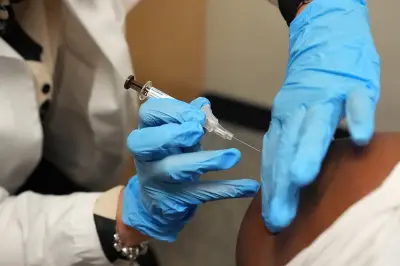
The DRC's health ministry reported 12 new confirmed cases in the past week, bringing the total to 87 since April. The outbreak is centered in the northeastern provinces of North Kivu and Ituri, where conflict and displacement have hampered response efforts. Vaccination campaigns have been ongoing, but access to remote communities remains a challenge.
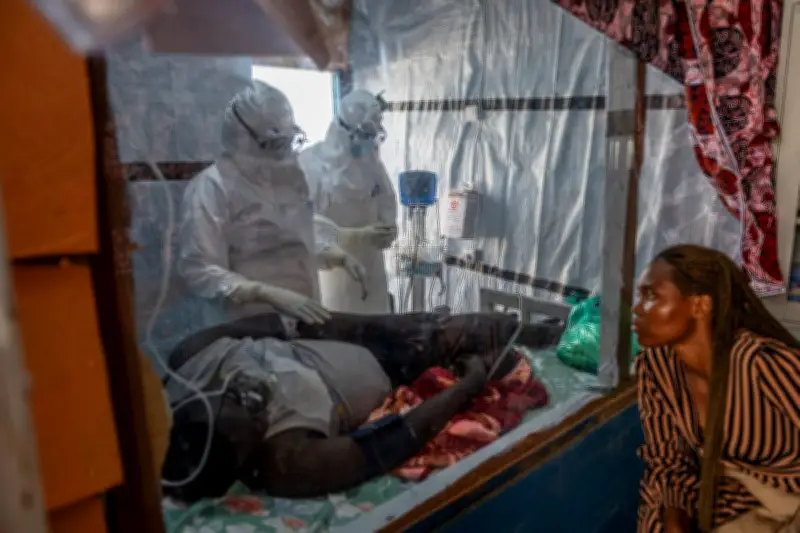
Health workers at the Rwampara Treatment Center in Ituri, photographed on June 18, 2026, continue to care for patients amid these difficulties. The new trials will be conducted at similar facilities across the affected regions.
Global Cooperation and Funding
The trials are funded by a coalition of international partners, including the WHO, the DRC government, and philanthropic organizations. The total budget is estimated at $10 million. The WHO emphasized that all ethical protocols will be followed, and patients will provide informed consent before enrollment.
"This is a testament to global solidarity in the face of a persistent threat," said Dr. Ryan. "We hope these treatments will prove effective and be deployed widely." The results are expected within six months.