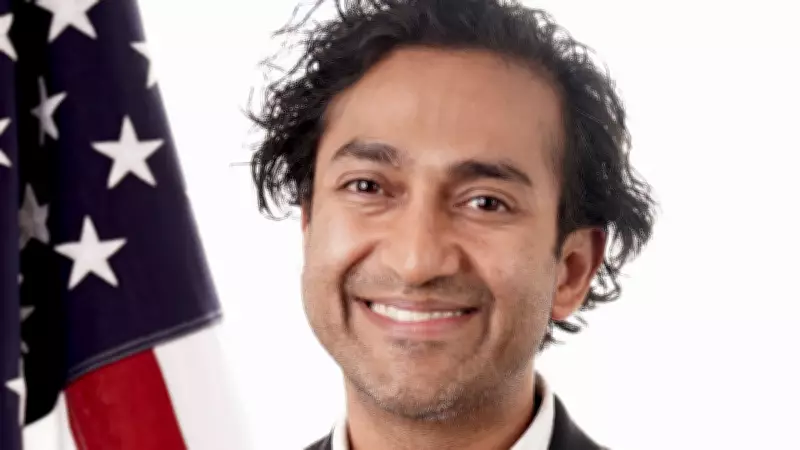
The Food and Drug Administration's vaccine chief, Dr. Vinay Prasad, is departing the agency once more—marking his second exit in under a year amid a storm of controversy surrounding his oversight of vaccinations and specialty drugs for rare diseases.
A Tumultuous Tenure Comes to an End
FDA Commissioner Marty Makary informed staff via email late Friday that Prasad would leave at the end of April, returning to his academic position at the University of California, San Francisco. This departure follows a brief forced removal in July, when Prasad clashed with biotech executives, patient advocacy groups, and conservative allies of former President Donald Trump. He was reinstated less than two weeks later with support from Health Secretary Robert F. Kennedy Jr. and Commissioner Makary.
Recent Controversies Spark Outcry
Prasad's latest ouster comes after a series of high-profile disputes involving FDA reviews of vaccines, gene therapies, and biotech drugs. Companies have criticized the agency for reversing decisions, sometimes demanding new trials for previously approved products. In recent weeks, Prasad faced backlash from pharmaceutical executives, investors, members of Congress, and other critics over multiple agency decisions.

One notable incident involved Moderna's mRNA-based flu vaccine. Prasad initially refused to allow FDA review of the highly anticipated shot, a move deemed highly unusual. Moderna publicly challenged the decision, prompting the FDA to reverse course and accept the application pending an additional study.
Ethical Concerns in Gene Therapy Review
Another controversy erupted with UniQure, a small drug company developing an experimental treatment for Huntington's Disease, which affects approximately 40,000 Americans. The FDA demanded a new trial involving sham surgeries on some patients, a request company executives argued contradicted previous guidance and raised ethical issues. In an unprecedented move, the FDA held a press conference to criticize the therapy, with a senior official calling the original study "stone cold negative" and labeling the product a failure.
A Pattern of Regulatory Disputes
Prasad's tenure as the FDA's top vaccine and biotech regulator has been characterized by repeated conflicts with the companies under the agency's purview. More than half a dozen drugmakers working on therapies for rare or difficult-to-treat diseases have received rejection letters or requests for additional studies, potentially adding years and millions of dollars to their development timelines.
As a longtime academic and critic of FDA drug review standards, Prasad's regulatory approach since joining the FDA last May has puzzled many observers. While he collaborated with Makary on initiatives to streamline and expedite drug reviews, he also imposed new warnings and study requirements for certain biotech drugs and vaccines, particularly COVID-19 shots—a frequent target of Health Secretary Kennedy, a known anti-vaccine activist before his appointment.
The FDA typically handles scientific disagreements through carefully vetted written statements, especially concerning experimental drugs under review. Prasad's departure underscores the ongoing tensions between regulatory rigor and industry expectations in the high-stakes world of pharmaceutical development.