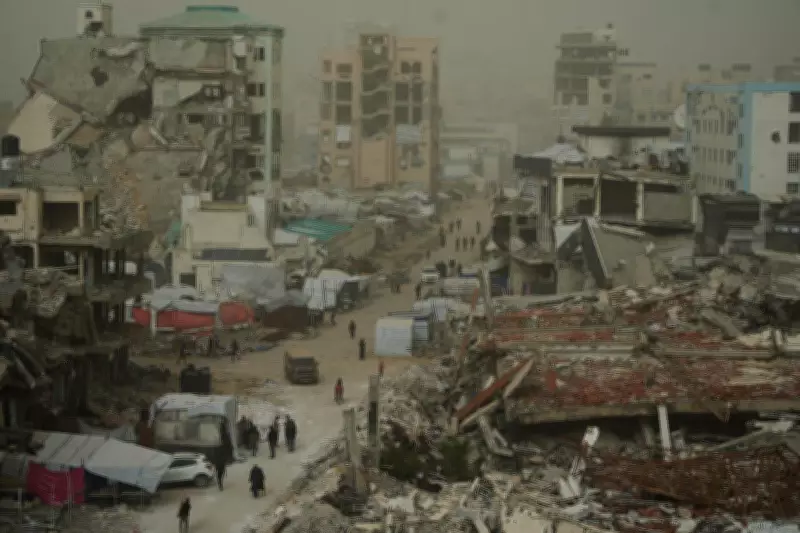
Gaza Conflict Death Toll Higher Than Previously Reported, New Research Reveals
A recent study has uncovered that the number of deaths in Gaza during the first 15 months of the Israel-Hamas war is significantly higher than earlier reports suggested. This finding sheds new light on the profound human impact of the ongoing conflict, raising urgent questions about casualty tracking and humanitarian assessments in war zones.
Key Findings from the Study
The research, conducted by independent analysts, utilized multiple data sources to compile a more comprehensive account of fatalities. Initial estimates had undercounted the death toll due to challenges in data collection amid the chaos of war, including destroyed infrastructure, displacement, and limited access for international observers. The study emphasizes that the revised figures reflect a broader range of direct and indirect war-related deaths, such as those from injuries, disease, and lack of medical care exacerbated by the conflict.
Implications for Humanitarian Response
This revelation underscores the critical need for accurate and timely reporting in conflict zones to inform humanitarian aid and policy decisions. The higher death toll suggests that the scale of suffering in Gaza may have been underestimated, potentially affecting resource allocation and international support efforts. Experts argue that improved monitoring mechanisms are essential to address the full scope of casualties and ensure adequate responses to crises.

Context of the Israel-Hamas War
The Israel-Hamas war, which began in late 2024, has been marked by intense military operations, airstrikes, and ground incursions, leading to widespread destruction in Gaza. The study's focus on the first 15 months highlights the early phase of the conflict, during which casualties accumulated rapidly. This period saw significant battles and humanitarian challenges, including shortages of food, water, and medical supplies, contributing to the elevated death count.
Methodology and Data Sources
Researchers employed a mixed-methods approach, combining:
- Official records from health authorities in Gaza
- Reports from non-governmental organizations and aid groups
- Satellite imagery and on-the-ground surveys
- Statistical modeling to account for gaps in data
This comprehensive methodology aimed to provide a more reliable estimate, though the study acknowledges limitations due to the volatile environment.
Global Reactions and Future Considerations
The study's findings have sparked renewed calls for peace negotiations and enhanced protection of civilians in conflict zones. International bodies and human rights advocates are urging for greater transparency in casualty reporting and accountability for war-related deaths. As the conflict continues, this research serves as a stark reminder of the human cost of war and the importance of accurate data in shaping effective humanitarian and political responses.