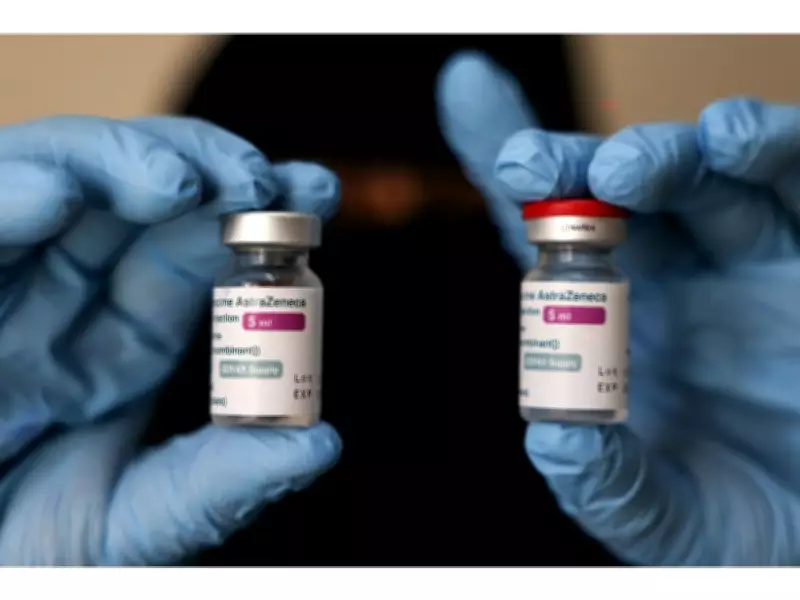
Calgary Fatality Inquiry Examines Potential Vaccine Connection to Rare Disorder
A Calgary fatality inquiry has heard testimony suggesting the AstraZeneca COVID-19 vaccine could potentially trigger a rare disorder that claimed the life of a local man, though questions about timing complicate the connection.
Expert Testimony on Vaccine-Related Complications
During proceedings examining the February 2022 death of 47-year-old Joseph Chad Haws, vaccinologist Dr. Scott Halperin testified that capillary leak syndrome (CLS) represents a known adverse event associated with the AstraZeneca vaccine. The inquiry, presided over by Justice Paul Mason, specifically investigates whether Haws' death from CLS complications relates to his coronavirus vaccinations.
Haws experienced swelling in his legs following his April 2021 AstraZeneca dose, though he showed no reaction to a Pfizer vaccine administered two months later in June 2021. Despite this initial adverse response, medical experts testified that the reaction wouldn't typically prompt testing for the rare capillary leak syndrome.

Timing Questions Complicate Potential Link
Dr. Halperin, a Halifax-based vaccinologist from Dalhousie University, told the inquiry that while CLS represents a recognized potential complication of the AstraZeneca vaccine, the disorder wouldn't normally manifest nearly a year after vaccination. "These are two different events," Halperin explained to family lawyer Eva Chipiuk.
The expert further clarified that vaccine-induced capillary leak syndrome typically appears within days rather than months, stating "(It) typically occurs within days and typically occurs within seven days and not hours." While acknowledging he couldn't completely exclude a connection, Halperin emphasized the timing made any link "highly unlikely" based on established medical parameters.
Manufacturer Recommendations and Next Steps
The inquiry also heard testimony regarding vaccine manufacturer recommendations against mixing different COVID-19 vaccine brands. Halperin noted this guidance stems primarily from insufficient testing data rather than established safety concerns.
Justice Mason will convene a case management meeting at an unspecified future date to determine subsequent steps in the ongoing investigation. The proceedings continue to examine complex medical questions surrounding vaccine safety and rare adverse events during the pandemic response.
This Calgary-based inquiry represents one of several investigations examining potential connections between COVID-19 vaccinations and rare medical complications across Canada, highlighting ongoing scientific and medical scrutiny of pandemic-era health interventions.