Iran Conflict Ignites Push for Sovereign Medical Supply Chain in Canada
The escalating war in Iran has dramatically heightened concerns over global supply chain vulnerabilities, prompting renewed and urgent calls for Canada to develop a sovereign medical supply chain. This initiative aims to reduce dependency on international imports and ensure the nation's healthcare system remains robust and resilient during geopolitical crises or pandemics.
Geopolitical Tensions Expose Critical Dependencies
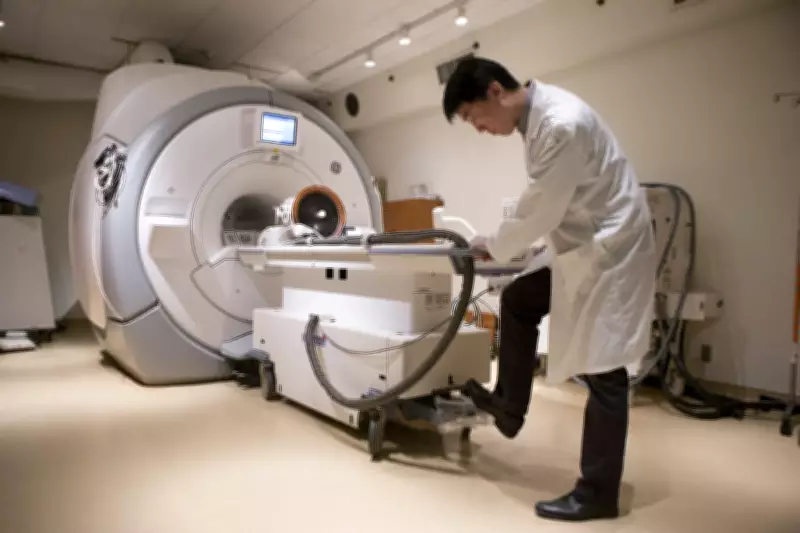
As the conflict in Iran disrupts trade routes and international relations, experts warn that Canada's heavy reliance on foreign medical supplies—including pharmaceuticals, personal protective equipment (PPE), and medical devices—poses a significant risk. Recent events have underscored how quickly global instability can threaten access to essential healthcare resources, from basic medications to advanced diagnostic tools like MRI machines.
Historical context adds weight to these concerns, as the COVID-19 pandemic previously revealed severe shortages in medical supplies, leading to scrambling for imports and highlighting systemic weaknesses. The Iran war amplifies these issues, with potential ripple effects on manufacturing and logistics worldwide that could impede Canada's ability to respond to health emergencies.

Building Domestic Capacity for Healthcare Security
Advocates for a sovereign medical supply chain emphasize the need for increased domestic production and strategic stockpiling of critical items. This approach would involve:
- Investing in local pharmaceutical manufacturing to produce essential drugs and vaccines within Canada.
- Developing partnerships between government, academia, and industry to innovate in medical technology and reduce import reliance.
- Creating emergency reserves of PPE, surgical equipment, and other supplies to buffer against international disruptions.
Such measures are seen not only as a response to the immediate crisis in Iran but as a long-term strategy to safeguard public health. By fostering self-sufficiency, Canada could better control quality, costs, and availability of medical resources, ensuring that hospitals and clinics are equipped to handle surges in demand without external constraints.
Economic and Policy Implications
The push for a sovereign supply chain intersects with broader economic and policy discussions. It requires significant investment in infrastructure, research, and workforce training, potentially creating jobs and boosting the domestic economy. However, challenges include navigating trade agreements, managing costs, and balancing innovation with regulatory standards.
Public and political support is growing, as the Iran war serves as a stark reminder of the fragility of global networks. Stakeholders argue that proactive steps now could prevent future healthcare crises, making Canada a leader in medical resilience and setting a precedent for other nations facing similar vulnerabilities.
In conclusion, the Iran conflict has catalyzed a critical reevaluation of Canada's medical supply strategies. By prioritizing sovereignty in this sector, the country can enhance its healthcare security, protect citizens during international upheavals, and build a more resilient system for generations to come.