First-year medical students at Toronto Metropolitan University are stepping up to address the critical shortage of family doctors by going directly into communities to help residents secure primary care. This initiative comes as many Canadians struggle to find a regular physician, a situation described as 'desperate' by healthcare advocates.
Community Outreach Program
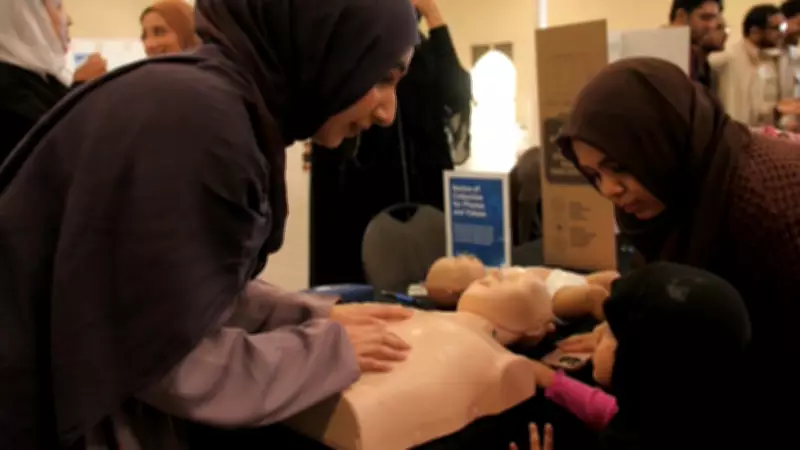
The program involves students working with local organizations to identify individuals without a family doctor and assist them in navigating the healthcare system. They provide information on available clinics, help with registration, and educate patients on how to maintain continuity of care. This hands-on approach not only benefits the community but also gives students invaluable real-world experience.
Impact on Students and Patients
For the medical students, this is an opportunity to apply their classroom knowledge in a practical setting while building empathy and communication skills. Patients, many of whom have been without a family doctor for years, express relief and gratitude. One patient noted, 'It's overwhelming trying to find a doctor on your own. These students make it feel possible.'

Addressing a National Crisis
Canada faces a growing shortage of family physicians, with millions of citizens lacking access to regular primary care. This shortage is particularly acute in rural and underserved urban areas. By engaging first-year students, Toronto Metropolitan University hopes to inspire a new generation of doctors to pursue family medicine and tackle the crisis from the ground up.
Broader Implications
The initiative aligns with broader efforts across the country to expand medical training programs and incentivize family practice. Experts argue that early exposure to community medicine can increase the likelihood that students will choose family medicine as a career. The program also highlights the role of academic institutions in addressing public health challenges.
As the program expands, organizers plan to track outcomes, including the number of patients connected to a family doctor and the long-term career choices of participating students. With the family doctor shortage showing no signs of abating, such grassroots efforts may become increasingly vital.