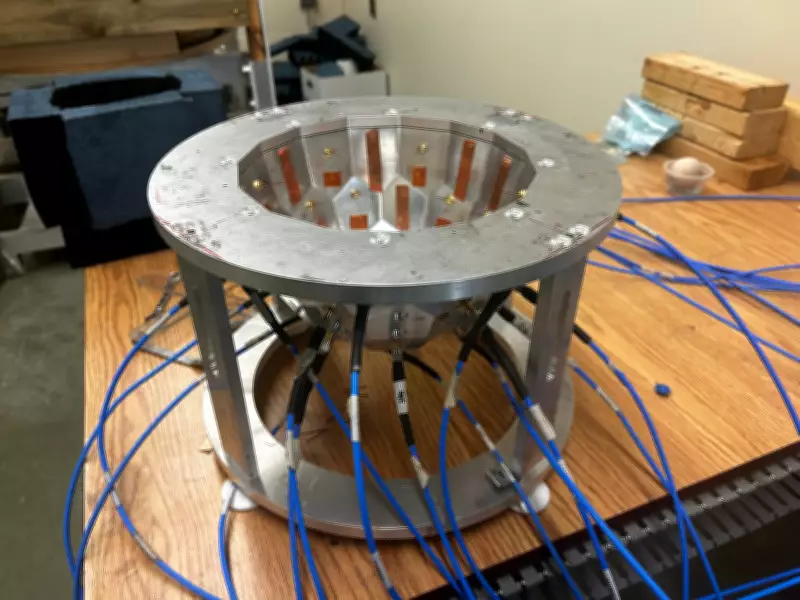
Researchers at the University of Manitoba are pioneering a new imaging technology designed to address key challenges in breast cancer detection. The innovative approach aims to make mammograms not only more effective but also more comfortable for patients, potentially improving early diagnosis rates.
Advancing Mammography
The research team is focused on overcoming limitations of current mammography techniques, such as discomfort and reduced accuracy in dense breast tissue. By developing a novel imaging method, they hope to enhance image clarity and reduce false positives, leading to more reliable screenings.
According to lead researcher Dr. Alex Karpa, the new technology could transform how breast cancer is detected. "Our goal is to create a tool that is both more sensitive to cancerous changes and less invasive for patients," Dr. Karpa stated. "This could encourage more women to undergo regular screenings, ultimately saving lives."

Potential Impact
Breast cancer remains one of the most common cancers among women worldwide. Early detection significantly improves treatment outcomes, yet many avoid mammograms due to discomfort or fear of inaccurate results. The University of Manitoba's innovation addresses these barriers directly.
The project has received funding from federal and provincial health agencies, recognizing its potential to reduce healthcare costs and improve patient outcomes. Clinical trials are expected to begin within two years, with commercial availability following shortly after.
This development adds to Canada's reputation as a leader in medical imaging research. The University of Manitoba continues to collaborate with hospitals and industry partners to accelerate the technology's deployment.