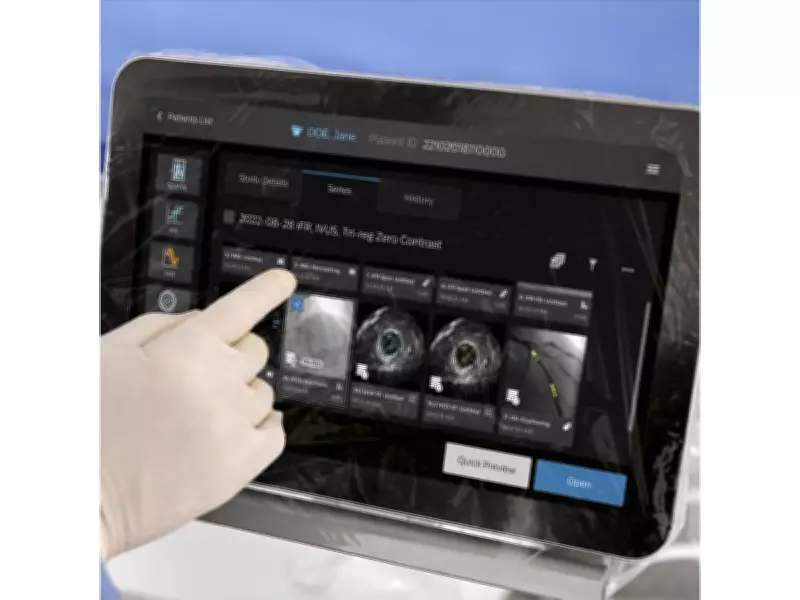
Royal Philips, a global leader in health technology, is set to showcase its latest advances in imaging, physiology, and real-time guidance at EuroPCR 2026 in Paris, from May 19 to 22. The company aims to help interventional cardiologists manage the increasing complexity of cardiac procedures while reducing radiation exposure for both patients and staff.
Integrated Workflow Solutions
Philips is connecting technologies into a unified workflow to improve efficiency, reduce radiation, and support procedural confidence. Visitors to the Philips booth can explore an immersive experience that simulates clinical decision-making during complex procedures, featuring guided demonstrations and educational sessions.
Key Innovations at EuroPCR 2026
- SmartIQ Technology: Launched at EuroPCR, this technology delivers high image quality while enabling an ultra-low X-ray dose protocol that uses over 50% less radiation compared to current low-dose settings.
- IntraSight Plus: A newly launched platform combining comprehensive diagnostic and treatment planning tools for confident decisions and precision PCIs.
- DeviceGuide: An AI-enabled assistive solution providing real-time visualization of interventional devices by combining live ultrasound and X-ray imaging into a single view, supporting navigation during complex structural heart procedures.
- VeriSight Pro 3D ICE: Enables real-time imaging from inside the heart for structural heart interventions, reducing the need for more invasive approaches.
- Hemo R2: A unified interface bringing together hemodynamic functionalities with simplified connectivity to hospital IT ecosystems.
Addressing Clinical Challenges
In today's PCI and structural heart procedures, clinicians often rely on multiple imaging systems and tools, which can increase complexity and time. Cumulative radiation exposure remains a key concern, with emphasis on keeping exposure as low as reasonably achievable (ALARA). Philips' approach integrates imaging, physiology, and guidance into a unified workflow, while innovations reduce radiation at the source without compromising image quality.

Philips continues to demonstrate its commitment to advancing cardiovascular care through technology that enhances clinical confidence and patient safety.