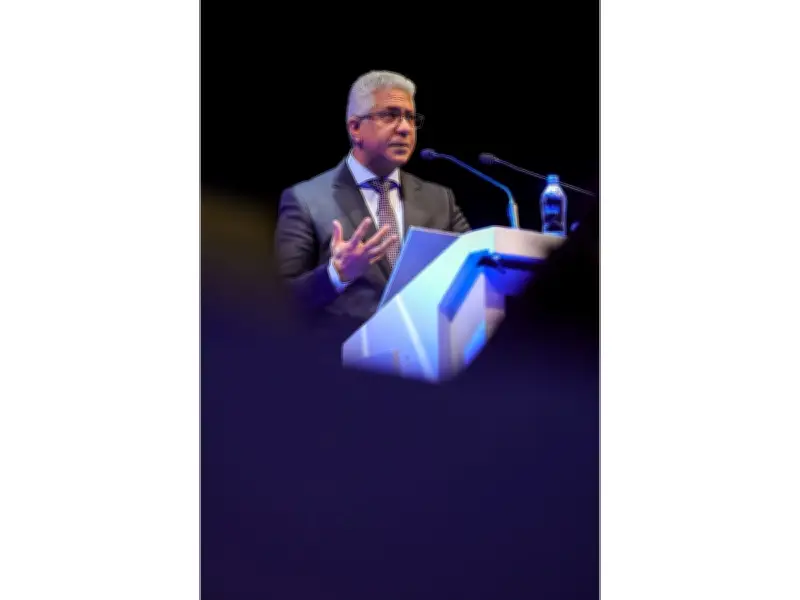
Professor Mohamed Shamji has officially assumed the presidency of the European Academy of Allergy and Clinical Immunology (EAACI) for the 2026-2028 term. The transition occurred during the General Assembly and Closing Ceremony of the EAACI Annual Congress 2026, which concluded in Istanbul.
Congress Highlights and Attendance
The congress, held under the theme "Vision Zero: A Future Free from Allergy and Asthma Burden," brought together 7,429 delegates from 110 countries. Over four days, participants engaged in scientific exchange, collaboration, and education, showcasing the latest advances in allergy, asthma, and clinical immunology. Researchers presented 2,420 scientific abstracts covering precision medicine, immunotherapy, disease prevention, environmental health, digital innovation, and patient-centred care.
New Leadership and Vision
Professor Shamji succeeds Professor María José Torres, whose tenure emphasized scientific excellence, international collaboration, and the Vision Zero initiative. In his inaugural remarks, Professor Shamji stated: "EAACI is entering a new era. My vision is to build a truly global Academy that connects experts, researchers, healthcare professionals and patients across continents, creating a dynamic ecosystem where knowledge, innovation, and collaboration flow without borders."

He highlighted the importance of integrating education, science, clinical guidance, and digital engagement on a single platform to accelerate discovery, improve patient outcomes, and shape the future of allergy and clinical immunology worldwide.
Outgoing President's Reflections
Professor María José Torres reflected on her presidency: "It has been a privilege to serve as EAACI President during a period of significant scientific progress and international collaboration. I am proud of the advances we have made together in strengthening our community and advancing our Vision Zero ambition." She expressed continued support for the Board and emphasized keeping patients at the centre of all efforts.
The congress underscored the strength and diversity of the global allergy community, with clinicians, researchers, healthcare professionals, patient representatives, and industry partners collaborating to address pressing challenges. Discussions reinforced the importance of prevention, innovation, and equitable access to care, aiming to translate scientific advances into meaningful improvements for patients and reduce the burden of allergic and respiratory diseases.