Prosecutors in Texas used rap lyrics as evidence to help send a man to death row, highlighting a controversial and increasingly common tactic in the American criminal justice system. The case, reported by The Associated Press, underscores concerns about racial bias and the misuse of artistic expression in courtrooms.
Details of the Case
The defendant, whose identity has not been disclosed in the initial report, was convicted and sentenced to death after prosecutors introduced his rap lyrics as evidence of intent or motive. Legal experts note that this practice, while not new, has drawn growing scrutiny from civil rights advocates and legal scholars who argue that rap music is often misinterpreted as literal autobiography rather than artistic expression.
Prevalence of the Tactic
According to a 2024 study by the University of California, Los Angeles, rap lyrics have been used as evidence in hundreds of cases across the United States, disproportionately affecting Black and Hispanic defendants. The study found that lyrics are often taken out of context and presented to juries as confessions or threats, despite the genre's frequent use of hyperbole and fictional storytelling.

Critics argue that this practice violates defendants' First Amendment rights to free speech and artistic expression. Organizations like the American Civil Liberties Union have called for legislation to limit the admissibility of rap lyrics in court, similar to protections already in place for other forms of creative writing.
Broader Implications
The Texas case is part of a larger debate about racial bias in the criminal justice system. Supporters of the practice argue that lyrics can be relevant evidence, especially when they contain specific threats or admissions. However, opponents point out that other musical genres, such as country or rock, are rarely used in the same way, suggesting a double standard.
This case also comes amid a national conversation about the death penalty, with several states reconsidering its use due to concerns about wrongful convictions and racial disparities. Texas, which has executed more inmates than any other state since the death penalty was reinstated in 1976, remains a focal point of these debates.
Reactions and Next Steps
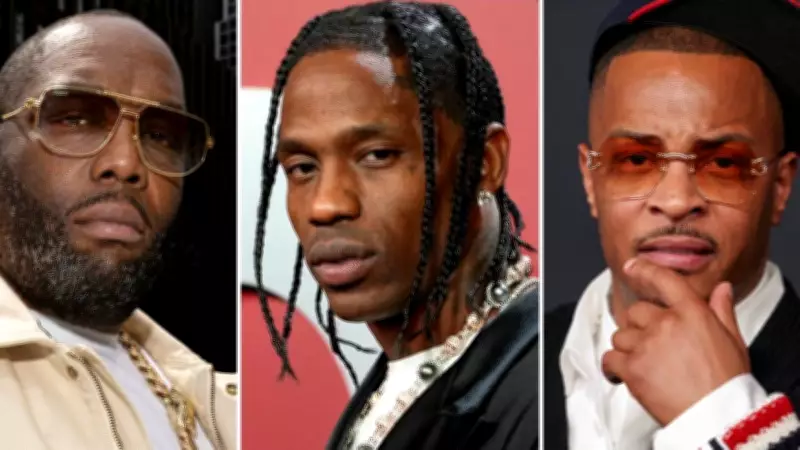
The defendant's legal team has announced plans to appeal, citing the improper use of the lyrics as a key issue. Advocacy groups are also pushing for state and federal legislation to ban the practice. Meanwhile, the case has drawn attention from musicians and celebrities, including rappers Killer Mike, Travis Scott, and T.I., who have spoken out against the use of rap lyrics as evidence.
As the legal process continues, the case is likely to fuel further discussion about the intersection of art, race, and justice in America.