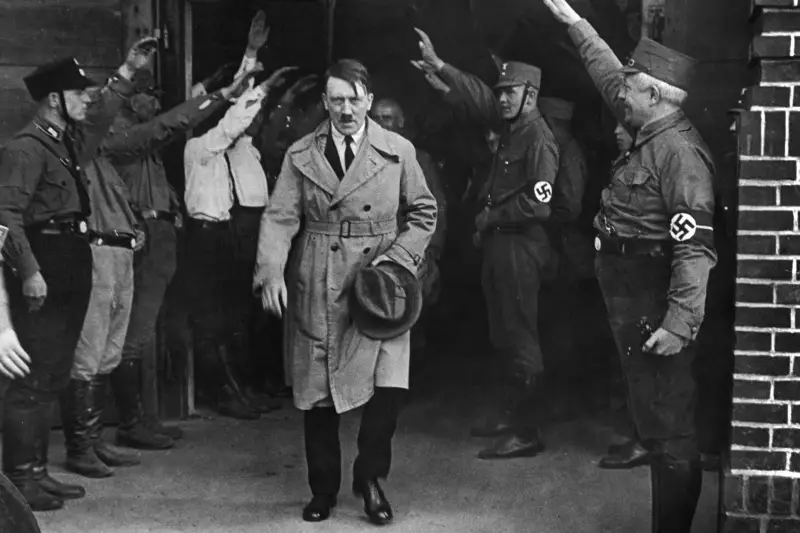
New historical medical research has revealed that Adolf Hitler likely suffered from a rare genetic condition that significantly impacted his sexual development. The findings, published in November 2025, provide a fresh medical perspective on the life of the notorious Nazi leader.
The Genetic Evidence
According to the research released in November 2025, Adolf Hitler probably had Klinefelter syndrome, a genetic condition affecting male sexual development. This condition occurs when a male is born with an extra X chromosome, resulting in XXY chromosomes rather than the typical XY pattern.
The study examined historical records, medical documents, and accounts from Hitler's personal physicians. Researchers found compelling evidence suggesting the Nazi leader displayed multiple physical characteristics consistent with this genetic disorder throughout his adult life.

Historical Context and Symptoms
The research indicates that Hitler's condition likely manifested through several physical traits and medical issues. Individuals with Klinefelter syndrome typically experience reduced testosterone production, which can lead to underdeveloped sexual characteristics and infertility.
Historical accounts describe Hitler as having particular medical concerns and physical attributes that align with this diagnosis. The condition may have contributed to his complex psychological profile and personal relationships, though researchers emphasize this doesn't excuse his horrific actions during World War II.
Research Implications
This groundbreaking study represents one of the most detailed medical examinations of Hitler's health ever conducted. The research team analyzed decades of historical documentation and applied modern genetic understanding to reach their conclusions.
While the findings provide new insight into Hitler's medical history, historians caution against oversimplifying the connection between his potential genetic condition and his political actions. The research primarily contributes to our understanding of the man's biological makeup rather than explaining his historical significance.
The study adds to ongoing scholarly discussions about how medical conditions might influence historical figures, while maintaining appropriate historical perspective about individual responsibility for actions.