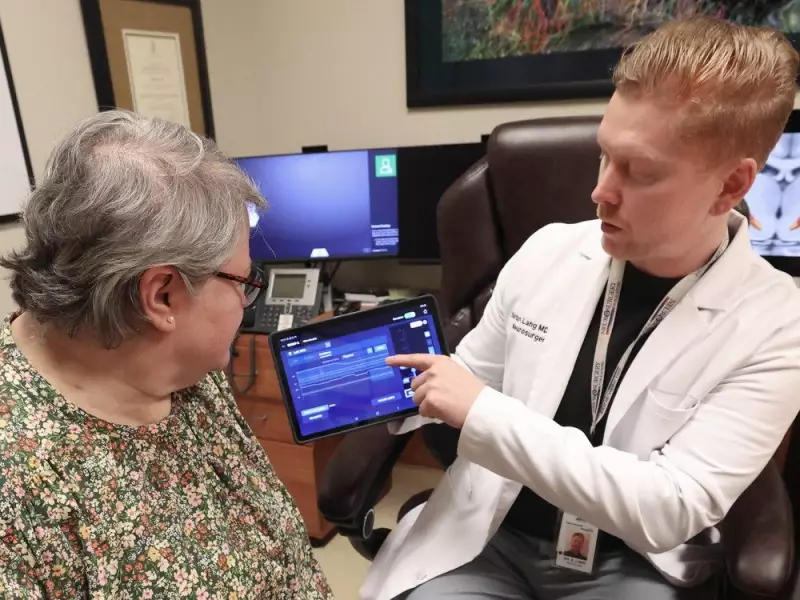
A neurosurgeon at Vancouver General Hospital is leading innovative research aimed at tackling some of the most challenging non-motor symptoms of Parkinson's disease, including depression, anxiety, and cognitive decline.
Expanding the Scope of Deep Brain Stimulation
Dr. Stefan Lang, who operates the Lang Neurosurgery Lab at the University of British Columbia, is already an expert in using deep brain stimulation (DBS) to help patients manage motor symptoms like tremors and rigidity. The surgical therapy involves implanting electrodes that send electrical signals to specific areas of the brain.
Now, Dr. Lang and his team are focusing their efforts on a new frontier: using the same technology to address the debilitating non-motor symptoms that profoundly affect patients' quality of life. This research, active as of early 2026, represents a significant shift in how DBS could be utilized.

A Multi-Pronged Research Approach
The research employs a combination of cutting-edge techniques. The team uses advanced brain imaging to study how symptoms like depression and cognitive impairment manifest in the brains of people with Parkinson's.
"We're using advanced imaging to study how those symptoms arise in the brain of people with Parkinson's, and then we're using deep brain stimulation and the implant to try to treat those symptoms," explained Dr. Lang.
A key component is new smartphone-based monitoring that allows patients, such as study participant Maria Boucher, to track their symptoms at home. When they feel anxious or depressed, they complete a survey on their phone. The team then correlates this self-reported data with brain activity recorded directly from the implanted electrodes.
"We can put those two things together to try to identify if there's specific patterns of brain activity that correspond to some of these symptoms," said Lang.
Personalized Treatment and Future Hope
The research is highly personalized. Each patient's deep brain stimulator can record unique brain activity patterns, creating biological markers that doctors can link to specific symptoms. By adjusting the frequency of the implanted device, the team believes they can potentially improve cognitive function for some individuals.
Dr. Lang acknowledges that the work is still in the research phase. "It's too early for clinical translation. It's research based, but we certainly have some promising data to suggest that this is a possibility for us," he stated.
However, he is optimistic about the long-term impact. He notes that cognitive impairment is a major concern as it can lead to dementia, for which there are currently no effective treatments. "I think there's promising data that suggests that we can understand these non-motor symptoms... and we also think that there's promising evidence that we can help improve the symptoms," Lang concluded, expressing confidence that this work will one day lead to tangible improvements in patients' lives.