WHO Grants Prequalification to New Polio Vaccine to Bolster Global Outbreak Response
The World Health Organization has taken a significant step in the fight against polio by prequalifying a new oral polio vaccine type 2. This decision, announced on February 13, 2026, aims to enhance the global capacity to respond to outbreaks, particularly in regions where the disease remains a persistent threat.
Expanding Immunization Tools for Vulnerable Populations
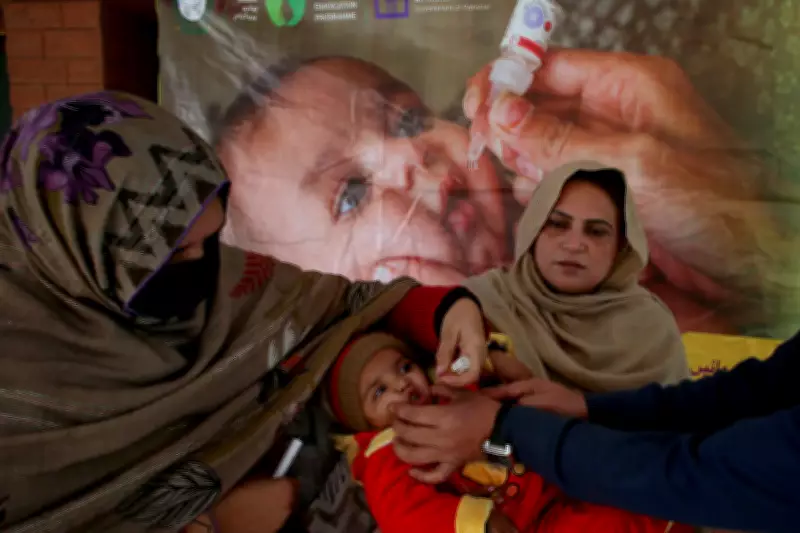
The newly prequalified vaccine is designed to address gaps in current immunization strategies. It offers a more targeted approach to combating type 2 poliovirus, which has been a concern in areas like Pakistan and Afghanistan. Health workers in these regions, such as those administering vaccines in Peshawar, Pakistan, will now have access to an additional tool in their efforts to protect children from this debilitating disease.
This development is critical as global health authorities work to eradicate polio entirely. The prequalification process ensures that the vaccine meets international standards for safety, efficacy, and quality, allowing it to be procured by United Nations agencies and other organizations for widespread use.

Implications for Public Health and Future Outbreaks
The introduction of this vaccine is expected to streamline outbreak response efforts. By providing a specific solution for type 2 poliovirus, it reduces the reliance on broader vaccines and allows for more precise interventions. This is particularly important in communities with low vaccination coverage, where outbreaks can spread rapidly.
Health experts emphasize that this move aligns with the WHO's broader strategy to strengthen immunization programs worldwide. It complements existing initiatives and addresses the evolving challenges posed by poliovirus strains. The vaccine's availability could lead to faster containment of outbreaks, minimizing the risk of long-term disability in affected populations.
As global health networks continue to monitor polio cases, this new tool represents a proactive measure to safeguard vulnerable children. Its deployment will be closely watched by public health officials, with hopes that it will contribute significantly to the eventual eradication of polio.