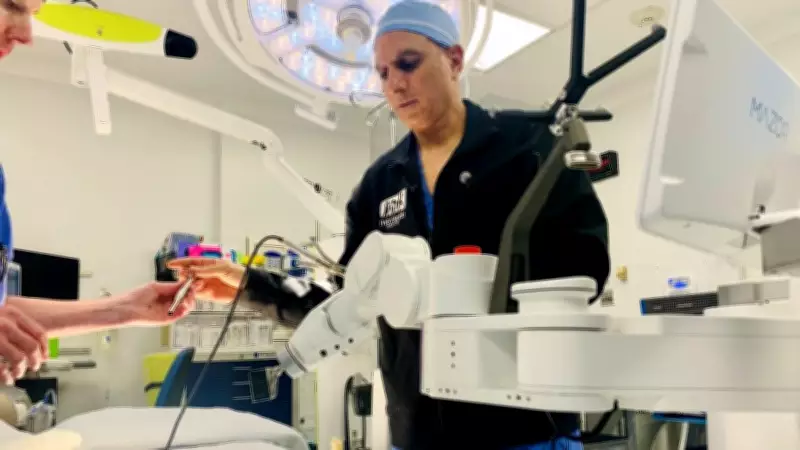
Advanced Spinal Robot Used to Help Nova Scotia Woman Living with Severe Scoliosis
In a groundbreaking medical procedure, surgeons at the QEII Health Science Centre in Nova Scotia have employed the MAZOR X spinal robot to assist a woman suffering from severe scoliosis. This innovative operation highlights the growing role of robotic technology in complex spinal surgeries, offering new hope for patients with debilitating spinal conditions.
Robotic Precision in Spinal Surgery
The MAZOR X spinal robot, known for its high precision and advanced imaging capabilities, was utilized to perform the intricate surgery. This technology allows surgeons to plan and execute procedures with enhanced accuracy, reducing the risk of complications and improving patient outcomes. The robot assists in placing screws and implants with millimeter-level precision, which is critical in spinal surgeries where even minor errors can have significant consequences.
Severe scoliosis, characterized by a pronounced curvature of the spine, often requires surgical intervention to correct alignment and alleviate pain. Traditional methods can be challenging due to the complexity of the spinal anatomy, but robotic assistance like the MAZOR X helps overcome these hurdles by providing real-time guidance and stability during the operation.

Impact on Patient Care in Nova Scotia
The use of the MAZOR X robot at the QEII Health Science Centre marks a significant advancement in healthcare delivery in Nova Scotia. This facility is at the forefront of adopting cutting-edge medical technologies to enhance patient care. The successful application of the spinal robot in this case demonstrates its potential to transform treatment for individuals with spinal disorders, potentially reducing recovery times and improving long-term quality of life.
Medical professionals involved in the procedure have emphasized the benefits of robotic-assisted surgery, including reduced surgical time, minimized tissue damage, and improved postoperative recovery. As such technologies become more accessible, they could pave the way for broader adoption across Canada, addressing the needs of patients with similar conditions.
Future Implications and Technological Integration
The integration of robotics in spinal surgery is part of a larger trend in the medical field towards minimally invasive and technology-driven procedures. The MAZOR X robot, developed by Medtronic, represents a key innovation in this space, combining preoperative planning with intraoperative execution to optimize surgical outcomes.
Looking ahead, the continued use of such advanced tools could lead to more personalized and effective treatments for scoliosis and other spinal issues. As research and development in medical robotics progress, patients in Nova Scotia and beyond may benefit from even more sophisticated solutions, further enhancing the standard of care in orthopedic and neurosurgical practices.
This case underscores the importance of investing in medical technology to address complex health challenges, offering a glimpse into the future of healthcare where robotics play a pivotal role in improving patient experiences and outcomes.