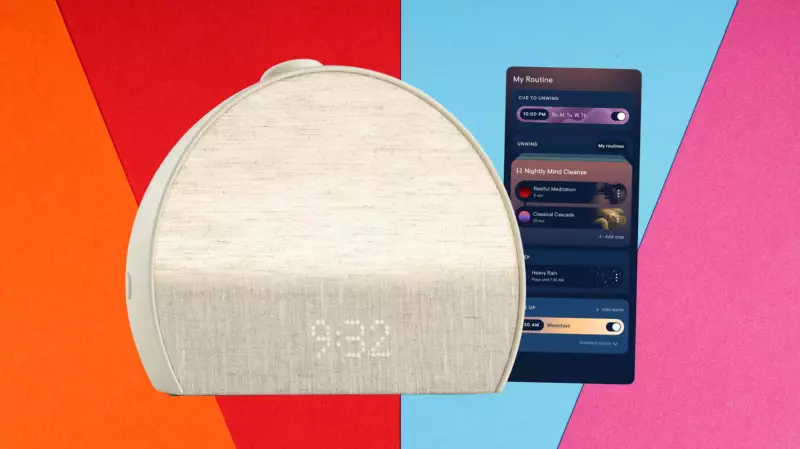
For as long as I can remember, insomnia has been my unwelcome nighttime companion. Over the years, I tried every remedy imaginable: melatonin supplements, cutting out caffeine and alcohol, meditation practices – yet nothing delivered lasting relief. That all changed when my fiancé surprised me with the Hatch Restore 3 Sunrise Alarm Clock, a device that has fundamentally transformed my sleep after just several weeks of use.
The Problem With Phone-Based Sleep Routines
Before discovering Hatch, my smartphone served as both my alarm clock and nighttime companion. I charged it right beside my bed each night, using a nightlight app because complete darkness made me uncomfortable. Having my phone within arm's reach meant I began and ended every day scrolling through emails and social media feeds. The device would occasionally disrupt my sleep with late-night text alerts since I lacked the discipline to activate airplane mode.
The $170 price tag had initially prevented me from purchasing the Hatch Restore 3, despite my curiosity about its potential benefits. Available at Amazon, Target, and Ulta for the same price point, this investment seemed substantial for an alarm clock – until I experienced its transformative effects firsthand.

Setting Up My New Sleep Sanctuary
The initial setup process requires downloading the Hatch companion app, where users configure their ideal wind-down and wake-up routines. Once programmed, the device operates independently without needing your phone nearby to activate or deactivate sleep sequences.
This functionality inspired me to make a radical change: I began charging my phone in another room entirely. This simple adjustment eliminated my habit of endless nighttime scrolling, replacing it with intentional relaxation practices offered through the Hatch system.
Discovering the Power of Sound Baths and Sleep Sounds
The Hatch ecosystem offers both free and subscription-based content. For $5 monthly or $50 annually, subscribers access an extensive library of adult bedtime stories, guided meditations, and specialized sleep sounds. Even without paying, users have numerous options available.
I started with a 30-minute sound bath experience that transitions seamlessly into preselected sleep sounds. While the sound bath didn't immediately put me to sleep, it created a gentle bridge between wakefulness and rest. As someone whose mind typically races when lights go out, this auditory experience provided focus that gradually quieted my mental chatter.
During sound baths, the device displays evolving color patterns – including vibrant oranges and sunset pinkish-reds – creating a visual focal point when my eyes remained open. For ongoing sleep sounds, I experimented with various options before settling on two favorites: Stormy Sea and Crackling Campfire. These provide sufficient background noise to mask external sounds like traffic without being disruptive.
Waking Up Transformed
I initially doubted whether the simulated sunrise feature would effectively wake me. The device gradually brightens over 30 minutes before incorporating gentle bird chirping sounds as backup. To my surprise, this natural awakening process proved remarkably effective compared to my phone's jarring alarm.
Now, instead of immediately grabbing my phone upon waking, I often spend 15 full minutes before retrieving it from the other room – a significant accomplishment for someone previously tethered to their device.
After several weeks with the Hatch Restore 3, while I still experience occasional sleepless nights, they've become the exception rather than the rule. The hours-long struggle to fall asleep has largely disappeared. I've learned through direct experience that replacing endless scrolling with structured nighttime and morning routines creates powerful change. How we fall asleep and how we wake up truly matters.
Is $170 expensive for an alarm clock? Absolutely. But for the priceless reward of consistent, restorative sleep after years of insomnia, it represents a small price to pay for life-changing results.