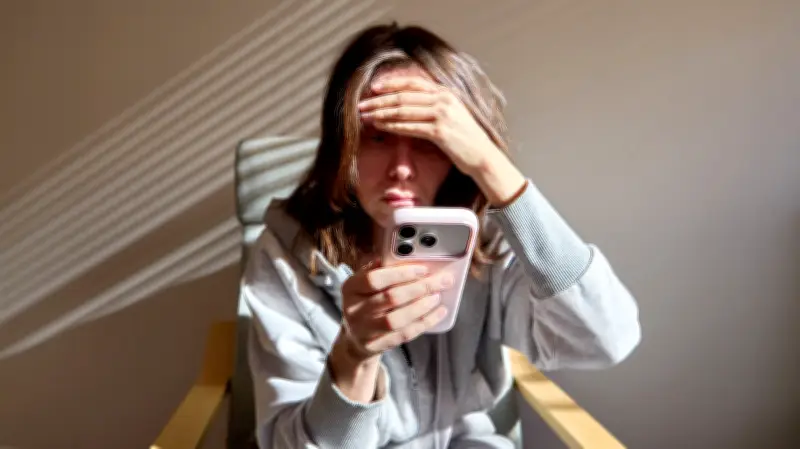
Ghosting, a term that became mainstream in the mid-2010s, describes abruptly ending a relationship without explanation. While often associated with dating, ghosting also occurs among platonic friends. When it happens with friends, there is no script or advice column for what comes next. Psychologists say the gap between friends is possible to close, even after going MIA, but it requires apologizing in a way many people get wrong.
Why Most Apologies Fail
Dr. Holly Schiff, a clinical psychologist, told HuffPost that one of the biggest mistakes people make when trying to reconnect after disappearing is focusing on explaining their absence before acknowledging its impact. Justifying why a friendship faded—because of depression, burnout, grief, or other responsibilities—does not address the stress and hurt the friend experienced from not knowing why the friendship ended.
Dr. Harriet Lerner, author of “Why Won’t You Apologize?”, explained that a good apology takes clear and direct responsibility without blaming the other person. Including explanations or justifications risks never finding resolution and could worsen the injury. “Only after you’ve established the ground for future communications can you provide more context and information,” Lerner said. “Most importantly, apologize for your own behavior first—name it—and not your friend’s feelings.”

How to Apologize Correctly
Schiff provided an example apology: “Hey, I know I’ve been MIA for a little bit, and I realize that may have hurt you or made you feel abandoned. I was struggling with some of my own personal stuff, but I wish I had communicated better. I’m sorry.” She emphasized that a good apology balances context with accountability: acknowledge what happened, validate the impact, express regret, and avoid making promises you can’t guarantee.
Dr. Marisa Franco, author of the upcoming book “Worth: The New Science of Self-Esteem and Secure Attachment,” noted that common mistakes include saying “I’m sorry, but …” or “I’m sorry if you feel ….” This comes from guilt and a desire to defend one’s character. “Ironically, to be able to believe in your own imperfections actually makes you more able to take accountability,” Franco said.
Timing and Emotional Impact
The longer a person waits to reach out, the more likely they will build up negativity and fear of rejection. “Shame is a bigger barrier than the original mistake or absence itself,” Schiff said. Even if the friendship doesn’t return to exactly what it was, reaching out with accountability can be meaningful and is the first step toward repair.
On the other side, the ghosted friend often fills the unexplained silence with their own interpretations, which may not be generous. Franco explained that people with low self-esteem might see ghosting as rejection: “It’s often a projection rather than a knowing, because the whole point of being ghosted is: We don’t know.”
No Guaranteed Outcome
Even after a heartfelt apology, the friend who was ghosted is not obligated to return to the relationship. Lerner advised that if significant harm was done—such as hurting a friend’s reputation, betraying confidentiality, or excluding them insensitively—the friend may not want to resume the relationship. “If your attempts to reconnect are not reciprocated, get support and take care of yourself. But do not look to the person you injured to help you heal or to lower your guilt quotient,” she said.