Expert Analysis: Could PTSD Explain Police Officer's Actions?
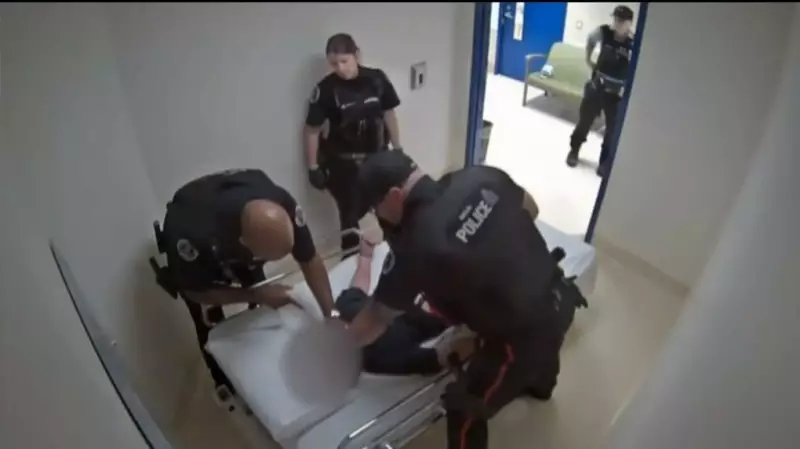
A troubling incident involving a Guelph police officer attacking a handcuffed teenager has raised serious questions about the role of post-traumatic stress disorder in law enforcement behavior. The case, which occurred recently, has prompted mental health experts to examine whether underlying trauma may have contributed to the officer's actions.
The assault took place while the teenage suspect was already restrained in handcuffs, a detail that has particularly concerned police oversight authorities and community members alike. Witnesses described the incident as sudden and unprovoked, leaving many to wonder what could trigger such behavior from a trained law enforcement professional.
Understanding the Psychological Factors
According to expert analysis provided to investigators, police officers frequently encounter traumatic situations that can accumulate over time, potentially leading to PTSD. The constant exposure to violence, accidents, and human suffering creates unique psychological pressures that differ from many other professions.

The expert emphasized that while PTSD might help explain certain behaviors, it does not excuse misconduct. The analysis carefully distinguished between understanding the root causes of actions and maintaining accountability for professional conduct. This distinction becomes particularly important when officers are entrusted with public safety and the appropriate use of force.
Broader Implications for Police Training and Support
This case has sparked renewed discussion about mental health support systems within police departments across Ontario. Many departments have implemented peer support programs and psychological services, but questions remain about their effectiveness and accessibility.
The incident occurred in November 2025, according to published reports, and has prompted internal reviews of both the specific officer's history and the department's overall approach to officer wellness. Police administrators are now considering whether current protocols adequately address the complex relationship between trauma exposure and on-duty performance.
Community leaders have called for transparent investigation processes while also acknowledging the challenging nature of police work. The balancing act between supporting officers' mental health and ensuring public safety continues to be a central theme in ongoing discussions about police reform and professional standards.