A stark new poll from the American Psychiatric Association (APA) has illuminated a growing crisis of connection, revealing that 30% of Americans feel lonely every week, with a full 10% experiencing loneliness daily. This troubling data prompts a critical question: why is forging meaningful friendships in adulthood such a monumental challenge?
The Smartphone Paradox: A Connection Snack, Not a Meal
To find answers, HuffPost's "Am I Doing It Wrong?" podcast hosts, Raj Punjabi-Johnson and Noah Michelson, turned to psychologist and University of Maryland professor Marisa Franco. She pinpointed several factors, highlighting a particularly ironic culprit: the smartphones we carry everywhere.
While Franco noted that the loneliness epidemic began accelerating in the 1950s with the rise of television, she identified 2012 as a key cultural milestone. "That is when the smartphone became more widely used," she stated. This shift, she argues, has fundamentally altered our social habits.

"Instead of spending leisure time around other people, we have this other option that offers parasocial interactions, where they feel connected, but it's kind of like a snack instead of a meal of connection," Franco explained, painting a vivid picture of how digital interaction often replaces deeper, in-person bonding.
How Your Phone Sabotages Conversations (Even When It's Off)
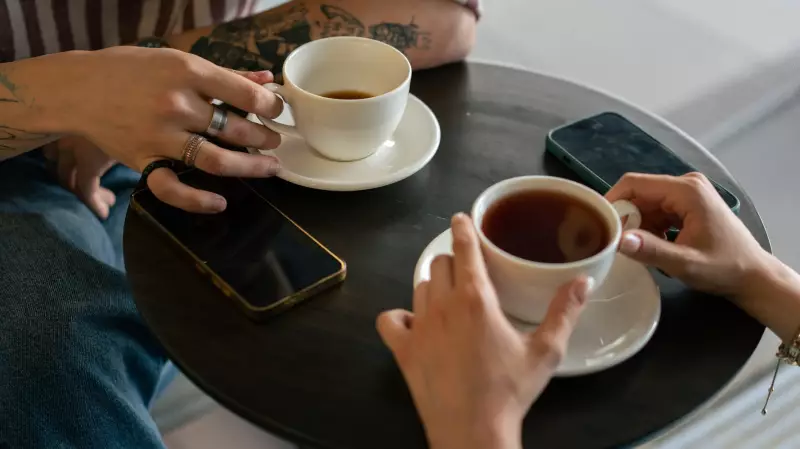
The damage isn't limited to active scrolling. Franco, author of "Platonic: How the science of attachment can help you make — and keep — friends," cited a revealing study. "Simply having a phone on the table decreases the quality of the conversation," she said.
"Even if you're not using it — [even if] it's literally just there, part of your brain is like, 'Oh, my God, the phone is there,' which results in there not being as much 'depth or vulnerability' to the interaction," Franco elaborated. This constant, low-level distraction prevents us from being fully present, eroding the foundation of trust and intimacy required for strong friendships.
Harnessing Technology for Good: The Case for Friendship Apps
Franco doesn't condemn technology outright. Instead, she advocates for intentional use. One potentially positive application? Friendship-focused apps. These platforms, she suggests, solve a core problem of adult friendship: availability.
"What is nice about the apps is that it's a pool of people who are available and invested in connection," Franco noted. In daily life, we often encounter people who may already have established social circles or demanding responsibilities, making them less open to new connections. On dedicated apps, that barrier is removed.
Host Noah Michelson agreed, adding, "Everyone is showing up [on those apps] — from the jump — because they're also looking for friends." This creates a shared purpose and eliminates the ambiguity and potential rejection of approaching someone in a coffee shop or gym who might not be seeking new pals.
In the full podcast episode, Franco shared a wealth of additional strategies, including where to meet new people, how to deepen budding friendships, and how changing the location of a meet-up can transform a connection. She also warned about one common place to potentially avoid in your search for friends.
Listeners are encouraged to subscribe to "Am I Doing It Wrong?" to catch the full episode and explore past investigations into topics like tipping etiquette, conquering credit card debt, online dating, managing anxiety, and secrets to better workouts.