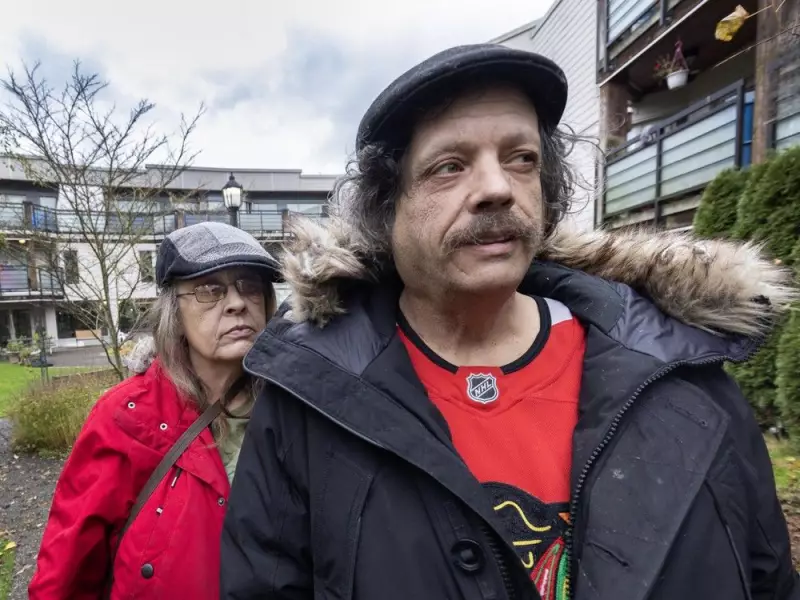
At 61 years old, Ed Barnes now rings the Salvation Army bell and shares a home with his wife, Kim—a reality he once thought was forever out of reach. His journey from a life of addiction and homelessness on Vancouver's streets to stability and love is a powerful narrative of human resilience.
A Descent into Instability on the Downtown Eastside
Born and raised in Vancouver, Ed Barnes's challenges began in his early 20s when he was diagnosed with a serious mental illness. He received treatment at Fraser Health facilities and the historic Riverview Hospital. By age 23, living on disability assistance, he returned to the city facing a harsh reality.
The only housing he could afford was in dilapidated single-room occupancy (SRO) hotels in the Downtown Eastside. This marked the start of a decade-long cycle of instability. "I kept moving from place to place," Barnes recalled, describing a life consumed by isolation, worsening addiction, and a complete loss of connection with his family.

His lowest point came one Christmas Eve in his late 20s. After spending all his money on drugs and alcohol, he wandered Vancouver's frigid streets for hours, desperately seeking shelter in garages or any warm doorway. "It was so scary, being that cold," he said.
A Lifeline Named The Kettle Society
Amid that freezing night, Barnes remembered a crucial piece of advice: someone had told him about The Kettle Society. This non-profit organization, which started in the 1970s as a small storefront offering coffee and sandwiches after Riverview Hospital downsized, had become a vital community hub.
He found his way to their drop-in centre on Venables Street near Commercial Drive. What began as a search for warmth and a meal became a years-long connection. Barnes returned almost daily, slowly building trust with outreach workers and other visitors. The Kettle provided not just meals, showers, and laundry, but also critical referrals to supportive housing and mental health services.
Damian Murphy, The Kettle's community services manager, remembers Barnes lining up for the low-cost meals, which cost $1 or were free in exchange for completing a chore. "Looking back, I just needed to trust somebody," Barnes reflected, acknowledging how difficult that felt in the Downtown Eastside environment.
Love as the Ultimate Catalyst for Change
While The Kettle Society provided the foundational support, the final, most powerful catalyst for transformation was meeting Kim. Barnes credits her with giving him a reason to rebuild his life. "She gave me the inspiration to want to live, to keep going—and now she keeps me going," he shared with Postmedia News.
It was the desire for a life with Kim that finally pushed him to get sober, pursue stable housing, and forge a new future. This profound personal motivation, combined with the consistent support from The Kettle, allowed him to break the cycle that had defined his life for so long.
Today, the man who once spent Christmas Eve homeless now has a home and a partner. His story underscores a critical truth about recovery: while systemic support from organizations like The Kettle Society is essential, the human need for connection and love often provides the indispensable spark for lasting change.