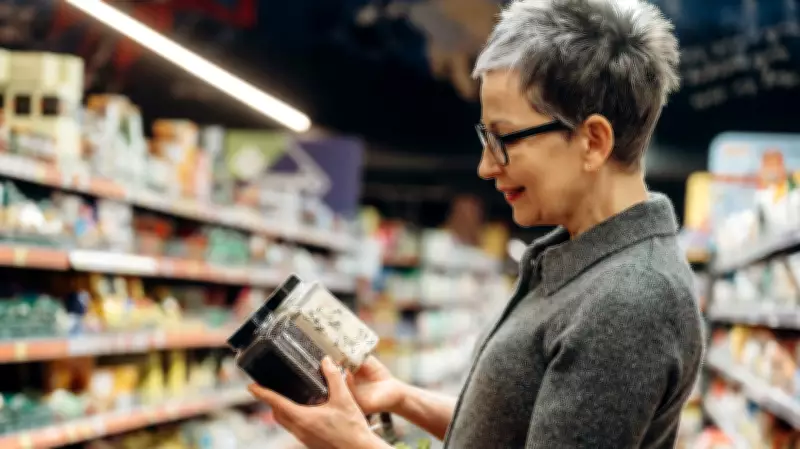
Snacking is a beloved ritual for many, whether it is a mid-afternoon treat or something to enjoy while watching a favorite show. However, not all snacks are created equal, and choosing one that offers nutrition can be challenging. With the rise of so-called "naked" and "natural" snack foods, consumers may wonder if these options are truly better than their conventional counterparts.
What Are "Naked" Snacks?
HuffPost's "Am I Doing It Wrong?" podcast hosts Raj Punjabi-Johnson and Noah Michelson explored this topic with Maya Vadiveloo, Ph.D., RD, a registered dietitian and nutritional epidemiologist at the University of Rhode Island. The discussion was sparked by a listener question about Simply NKD Nacho Cheese Doritos, which are marketed as free of dyes and artificial flavors.
Vadiveloo expressed skepticism about such products, calling them part of a "health-washing trend." She explained that food companies are responding to consumer concerns about ultra-processed foods, but removing cosmetic additives does not automatically make a snack healthier. "They haven't done anything to inherently make the Dorito healthier," she said. "Removing the cosmetic additive doesn't make Doritos suddenly something that I would say should be the basis of a snack."

The Problem with Health-Washing
Vadiveloo noted that even if a "naked" Dorito resembles a tortilla chip, it is still relatively high in calories and lacks balanced nutrition. She emphasized that whole foods, such as fruits and vegetables, are often under-consumed in the United States and should be prioritized for snacking. Her personal favorites include baby carrots and trail mix with nuts and unsweetened dried fruits.
The dietitian also pointed out that packaging can be misleading. For instance, the muted colors and matte finishes on products like NKD Doritos are designed to evoke a health halo, even if the nutritional content has not improved. "Food companies are really smart," she said. "They've done thousands upon thousands of focus groups to say, 'What do you think of when you see a matte color palette that's kind of green?' You associate that with health."
Health Claims and Nutritional Reality
Vadiveloo referenced a study showing that the more health claims a product makes, the less likely it is to meet general nutritional guidelines. She gave the example of peanut butter labeled "cholesterol-free," which is redundant since plant-based products naturally contain no cholesterol. "When you start to see more health claims on something, it should probably alert you that maybe somebody's trying to prove something too much," she advised.
Ultimately, moderation is key. Vadiveloo encouraged listeners to normalize imperfection in making healthy choices and focus on small improvements. "It's really just about trying to move the needle of 'OK, how can I feel myself better at my next meal or at my next snack?'" she said.
The podcast also covered protein bars, the link between anxiety and snacking, and more. Listeners can subscribe to "Am I Doing It Wrong?" for additional episodes on topics like apologizing, credit card debt, online dating, and hotel booking.