Best Ways to Reduce Heat Stress on Newly Set Out Plants
Late transplanting can be challenging, especially when hot weather arrives. To give new plants the best chance for success, focus on soil preparation, watering, and shading. Ensure the soil is fertile and enriched with compost for moisture retention. Mixing in coconut fibre (coir) also helps retain moisture and buffers against heat.
Soil and Watering Tips
Avoid transplanting into dry soil. Water thoroughly to create consistently moist conditions. If the ground repels water, use a wetting agent. Mulch with chopped leaves or straw to limit evaporation.
Transplanting Techniques
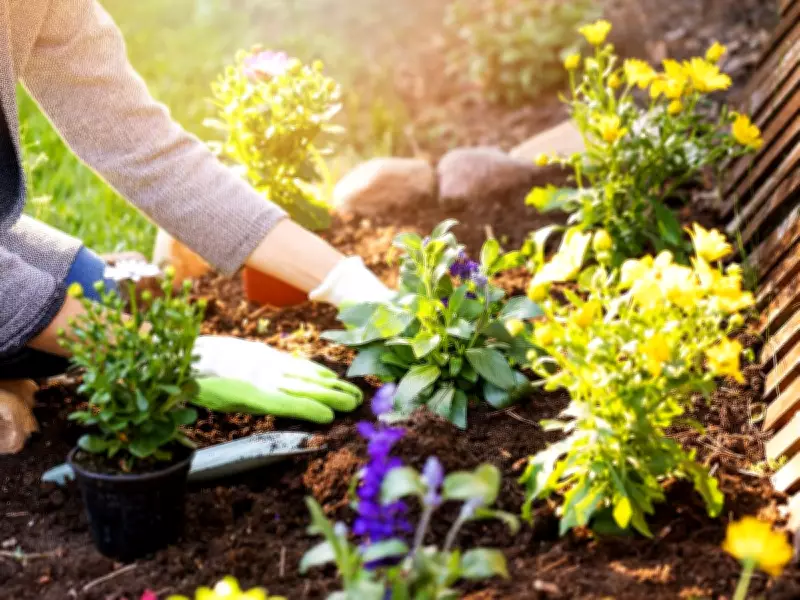
Transplant late in the day to give plants overnight relief from sun. Use a light liquid fertilizer (equal parts fish and seaweed) to 'water in' transplants via the puddling method. Dig holes deep enough for root balls, place plants, and pour the solution into the hole. Once drained, firm the soil around the transplants.

Providing Shade
If intense heat persists, create temporary shade using cardboard sheets held by stakes on the south side, or suspend shade cloth over plantings. This cooling shade allows heat-sensitive plants like lettuce to thrive even in summer.
Read more: Many types of snow pea varieties bear bicoloured flowers; Tips to save money on your garden.