Food inflation in Canada may have eased to four per cent in March, but don't be misled by the headline. The number that matters most — food purchased from stores — actually rose to 4.4 per cent, up 0.3 percentage points. That increase tells us something important: Cost pressures are not fading. In fact, they are shifting — and intensifying in key categories.
Look at what's driving the change. Meat and vegetables are both rising, and for very different reasons. But together, they paint a clear picture of a food system still under strain.
Meat Prices: A Structural Shift
Start with meat. Beef prices are up 12.7 per cent, chicken 7.5 per cent, pork 6.2 per cent. This is not short-term inflation. It's structural. North America is still dealing with the aftershocks of herd contraction. Farmers reduced livestock during periods of high feed costs and uncertainty, and rebuilding those herds takes time — often years. In the meantime, supply remains tight.

Layer on top of that higher input costs. Feed, transportation, labour, and processing have all become more expensive. Energy, in particular, plays a critical role. From running farm equipment to transporting animals to powering processing plants, rising fuel costs are pushing prices upward across the entire protein supply chain. These are not costs that can easily be absorbed — they are passed on.
Vegetable Prices: Volatility and Vulnerability
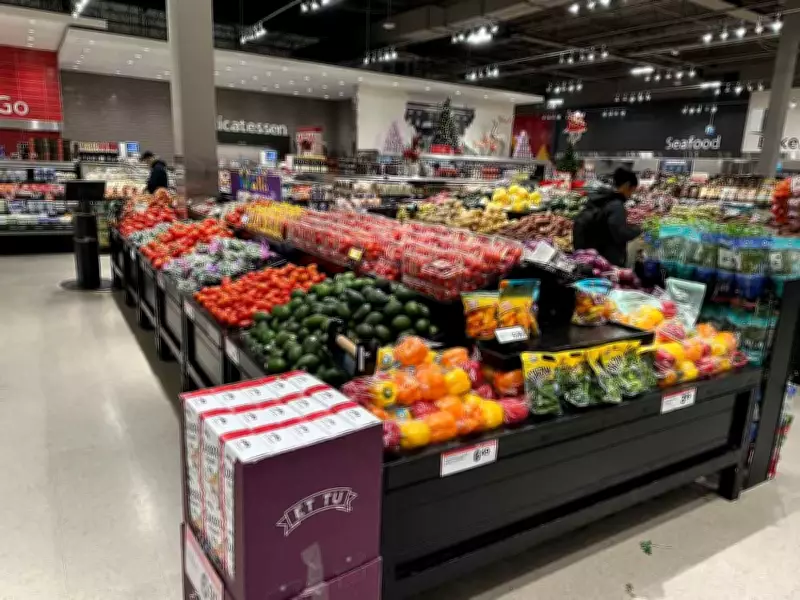
Vegetables, on the other hand, are telling a different story — one of volatility. Prices for cucumbers surged 28.4 per cent in March, tomatoes 14.3, lettuce 11.7. These increases are not about long-term supply constraints. They are about exposure.
Produce is highly sensitive to weather, logistics, and energy. Much of what Canadians consume during the winter months is imported or grown in greenhouses — both of which are energy-intensive. Heating greenhouses, transporting goods over long distances, and managing cold-chain logistics all depend heavily on fuel. When energy prices rise — or even become unpredictable — produce prices respond quickly.
Climate variability is compounding the problem. Unfavourable growing conditions in key producing regions, whether in the United States or Mexico, can disrupt supply overnight. Unlike meat, where production cycles are long, produce markets adjust rapidly — and often sharply.
A Perfect Storm for Households
What's unusual right now is that both categories are rising at the same time. Typically, consumers can offset increases in one category with stability in another. But when proteins remain structurally expensive and produce becomes highly volatile, there are fewer places to turn. This is what makes the current moment particularly challenging for households.
Energy is the common thread. Higher fuel costs affect every link in the food chain, from farm to fork. For meat, it raises the cost of feed, transport, and processing. For vegetables, it inflates greenhouse heating and shipping expenses. And when energy prices are unpredictable, so are food prices.
Consumers should prepare for continued pressure on grocery budgets. While overall inflation may moderate, the cost of essential items like meat and fresh produce is likely to remain elevated. Planning meals around seasonal and locally available foods, reducing food waste, and exploring alternative protein sources can help mitigate the impact.