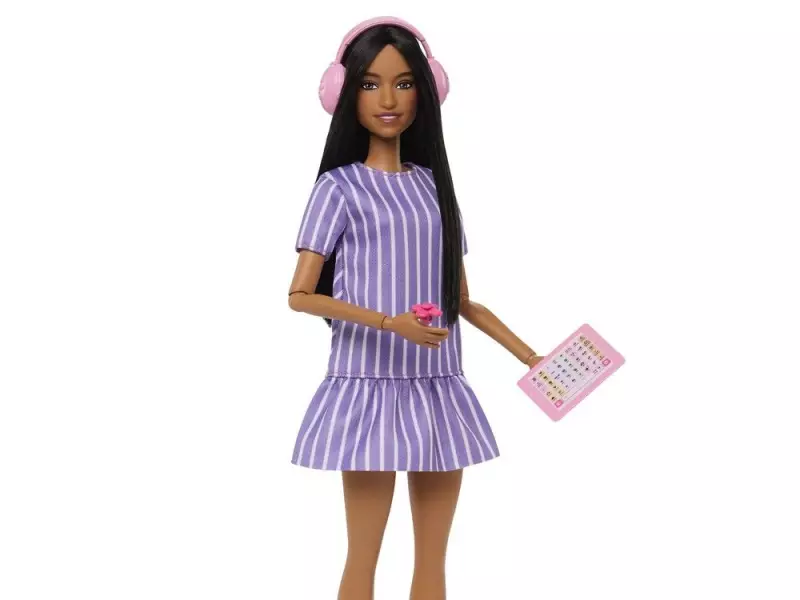
In a significant move for representation, Mattel, Inc. has launched its first-ever Barbie doll representing an autistic individual, now available for Canadian consumers. The doll, part of the brand's diverse Fashionistas collection, aims to reflect and celebrate the autistic community.
Collaborative Design for Authentic Representation
The development of this new Barbie was guided by insights from the Autistic Self Advocacy Network (ASAN), a leading organization run by and for autistic people. This partnership ensured the doll's design authentically touches on common experiences within the autism spectrum.
"It is so important for young autistic people to see authentic, joyful representations of themselves, and that's exactly what this doll is," said Colin Killick, executive director of ASAN. He emphasized that the collaboration allowed ASAN to provide crucial guidance throughout the design process to ensure the doll fully celebrates the community.

Thoughtful Design Elements Reflect Lived Experience
The doll itself incorporates several carefully considered features. Its elbows and wrists are articulated to enable hand gestures that some autistic individuals use to process sensory information or express excitement. Furthermore, the doll's gaze is intentionally shifted slightly to the side, reflecting that some autistic people may avoid direct eye contact.
The accessories included with the doll are equally meaningful. It comes with:
- A Fidget Spinner
- A pink tablet
- Large pink headphones
These items are designed to touch on aspects of sensory overload, communication, and focus, which are common parts of the autistic experience.
Part of a Broader Inclusive Mission
This autistic doll joins other dolls in the Fashionistas line that represent individuals with type-1 diabetes, Down syndrome, and blindness. Mattel states this launch is part of its "ongoing work" to increase diversity in its toy lines.
"Because every child deserves to see themselves in Barbie," said Jamie Cygielman, Mattel's global head of dolls, highlighting the company's commitment to inclusivity.
The doll, which features long dark hair and a short, loose striped dress, is priced accessibly between $12 and $15. Reflecting high demand, the doll appeared to be sold out at major Canadian retailers like Amazon.ca and Walmart shortly after its release on January 12, 2026. This swift sell-out underscores the significant appetite for toys that offer broader and more authentic representation for all children.