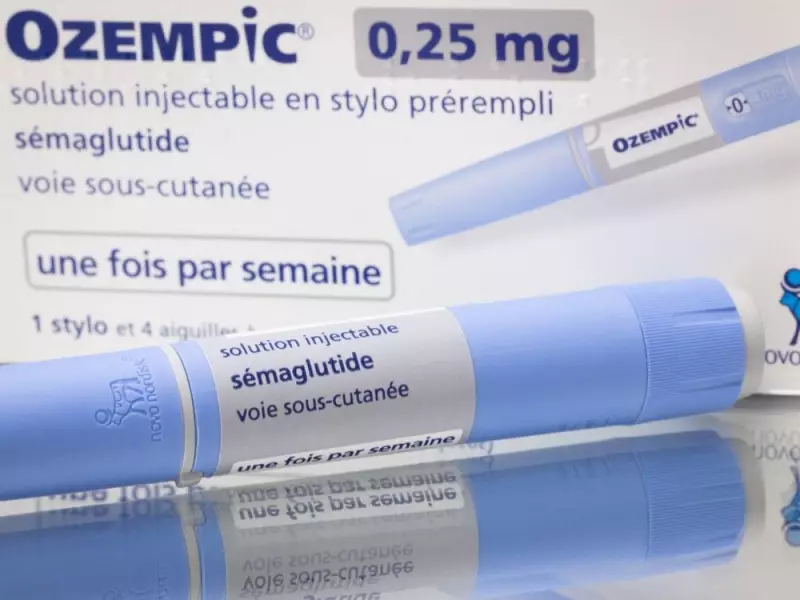
The cost of popular weight-loss medications like Ozempic is poised for a dramatic decline in Quebec, with pharmaceutical experts forecasting price drops of up to 75 percent following the expiration of a crucial patent.
Patent Expiry Opens Door for Affordable Generics
The exclusivity patent for semaglutide, the active ingredient in Ozempic, Wegovy, and Rybelsus, held by Danish pharmaceutical giant Novo Nordisk, expired on January 4, 2026. This legal change clears the path for Canadian drug manufacturers to produce generic versions at a significantly lower cost. A company spokesperson confirmed the patent's end date.
Dr. Michael Tsoukas, a professor in McGill University's Department of Medicine who researches diabetes, explained the potential speed of this shift. "The moment that gets approved, which is very quickly, they could be producing it even as early as next week or the week after," he stated. Tsoukas revealed that three major pharmaceutical companies in the province have already submitted applications to produce generics, though their names remain confidential pending Health Canada approval.

From $400 to Under $100 Per Month
Currently, patients in Quebec pay approximately $400 monthly for Ozempic. Areesha Moiz, a clinical research assistant at the Jewish General Hospital specializing in semaglutide treatment, predicts that once generic production is approved, the monthly cost will fall to under $100.
This price reduction could dismantle a major financial barrier to access. "The major barrier was always economic. It was always access issues," said Dr. Tsoukas. "The actual launch of generic or biosimilar products like these will actually just expand the use of it in the general population," since patients "will not be limited by money."
With over one million Canadians already using Ozempic, Rybelsus, and Wegovy according to Novo Nordisk, the lower price point is expected to cause a significant surge in demand. Dr. Tsoukas estimates that nearly half of Quebec's population—or 48 percent—have obesity, diabetes, or a metabolic complication that could benefit from GLP-1 drugs.
Quebec's Coverage Stance and Potential Barriers
Despite the anticipated demand, Quebec's public drug plan, the Régie de l'assurance maladie du Québec (RAMQ), currently covers semaglutide drugs only for treating Type 2 diabetes, not for weight loss alone. This policy contrasts with provinces like Alberta, which has officially recognized obesity as a chronic condition.
"Quebec has made their stance quite clear about how they view obesity. They don't view obesity as a chronic condition that requires pharmacological treatment," said Moiz. She criticizes the province for holding a traditional view that places the onus solely on the patient, despite medical evidence classifying obesity as a chronic condition similar to hypertension or diabetes. Moiz suggests the province may reconsider coverage once cheaper generics become available.
However, another expert warns that Quebec's doctor shortage could hinder safe access, even with lower prices. Dr. René Wittmer, a Université de Montréal professor specializing in overdiagnosis, emphasizes that these effective drugs require appropriate medical monitoring. Some patients requesting them may have body image issues or eating disorders, making regular follow-ups essential. "If we become more lenient on what kind of followup is required, we might be harming patients along the way," Wittmer cautioned.
The arrival of affordable generic semaglutide in Quebec marks a pivotal moment, promising wider access to a powerful class of medications while raising important questions about public coverage, medical oversight, and the healthcare system's capacity to manage the expected increase in demand.