Health professionals in Toronto are sounding the alarm over a dangerous and growing trend: the increasing presence of powerful animal tranquilizers within the city's unregulated drug supply. This development poses significant new risks to people who use drugs and is straining emergency medical services.
A Dangerous and Unseen Adulterant
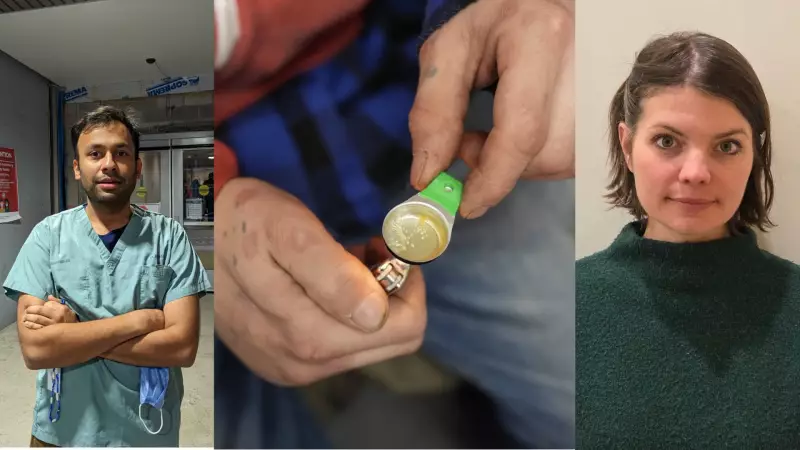
According to data from Toronto’s Drug Checking Service, substances like xylazine and other veterinary sedatives are being detected with greater frequency in street drugs, often mixed with opioids like fentanyl. Karen McDonald, the executive director of the service, confirms that these contaminants are becoming a persistent and worrying feature of the illicit market. Unlike opioids, these tranquilizers do not respond to naloxone, the life-saving overdose reversal medication, rendering a key tool in harm reduction kits less effective.
The implications are severe. Dr. Sunil Guta, an emergency department physician at St. Michael's Hospital in Toronto, reports seeing the consequences firsthand. "We are encountering more complex medical presentations," he states. The tranquilizers can cause severe sedation, respiratory depression, and nasty flesh wounds or ulcers at injection sites that are difficult to heal, leading to increased risks of infection and amputation.

Why Are These Substances Appearing?
Experts point to several factors driving this alarming shift. One primary reason is that these veterinary drugs are often cheaper and easier to obtain than regulated pharmaceuticals, allowing suppliers to increase the volume and potency of their product at a lower cost. Furthermore, as public health campaigns and the distribution of naloxone have targeted opioid overdoses, the drug supply has evolved in a more toxic direction, incorporating non-opioid sedatives that circumvent existing harm reduction strategies.
The situation creates a moving target for health workers and people who use drugs. The Drug Checking Service, which analyzes samples at supervised consumption sites like the Moss Park Consumption and Treatment Service, has become a critical frontline defense. By testing drugs—such as fentanyl heated in sterile water—they can provide real-time alerts about dangerous adulterants, empowering individuals with information to make safer choices.
An Escalating Public Health Challenge
The infiltration of animal tranquilizers represents a new layer in Toronto's ongoing overdose crisis. It complicates medical treatment, accelerates health complications for vulnerable individuals, and underscores the increasingly unpredictable nature of the unregulated drug market. Public health advocates stress that this trend necessitates an expanded and adapted response, including increased funding for drug checking services, specialized wound care programs, and continued education for both healthcare providers and the community.
The data and expert warnings paint a clear picture: the street drug supply in Toronto is becoming more dangerous and complex. As Dr. Guta and Karen McDonald emphasize, addressing this crisis requires sustained attention, resources, and policies focused on harm reduction and saving lives in the face of an ever-evolving threat.