A dangerous and potent class of drugs is now dominating the illicit opioid supply in Toronto, creating unprecedented risks for people who use drugs. Data from the city's drug checking service reveals that substances designed to sedate large animals are increasingly being found mixed with or replacing fentanyl.
A Toxic Shift in the Street Drug Supply
Health professionals and harm reduction workers are raising urgent alarms about this toxic trend. The integration of veterinary tranquilizers, such as xylazine and other related compounds, into the drug supply marks a significant escalation in the ongoing overdose crisis. These substances are not intended for human use and present unique dangers.
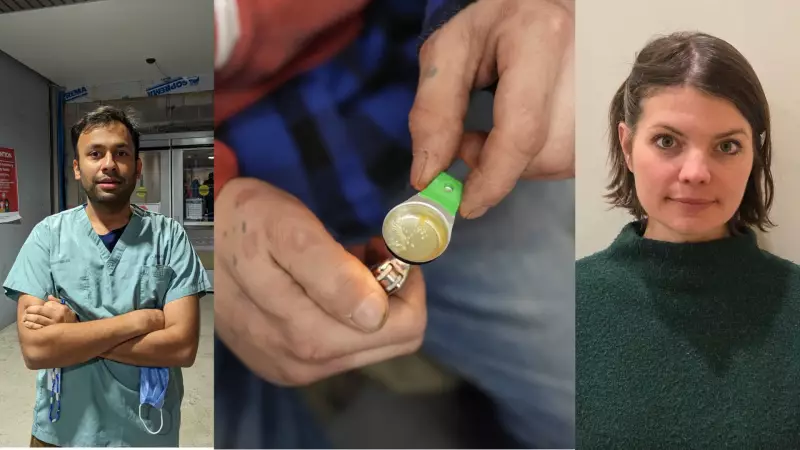
Dr. Sunil Guta, a physician at Toronto's St. Michael's Hospital, has witnessed the devastating effects firsthand. He explains that these animal tranquilizers do not respond to naloxone, the life-saving medication used to reverse opioid overdoses. This means even if naloxone is administered promptly, it may not be effective against the sedative effects of these contaminants, leaving individuals in a prolonged state of unconsciousness with severe respiratory depression.

Frontline Data Reveals the Scale
The scale of the problem is being tracked by Toronto’s Drug Checking Service. Karen McDonald, the service's executive director, reports that their analysis of street drug samples shows a sharp rise in the presence of these non-opioid tranquilizers. What was once an occasional adulterant has become a main component, fundamentally changing the chemical profile of what is being sold as fentanyl or down.
This shift is driven by the illicit market's economics. Dealers may use these powerful sedatives to stretch their supply or to create a more intense effect, with little regard for the lethal consequences. The result is a drug supply that is more unpredictable and deadly than ever before.
Compounding the Overdose Crisis
The consequences of this contamination are severe and multifaceted. Beyond being naloxone-resistant, animal tranquilizers cause profound sedation and can lead to severe skin wounds, ulcers, and infections at injection sites, complicating medical care and recovery.
Public health officials stress that this development requires an immediate and adapted response. Strategies must now account for a dual threat: opioid intoxication combined with a separate, non-responsive sedative effect. This complicates both on-the-ground overdose response and clinical treatment in emergency departments.
The infiltration of these drugs into Toronto's supply underscores the critical importance of continued and expanded drug checking services. Providing people who use drugs with real-time information about the contents of their substances is a vital harm reduction tool that can save lives in this volatile environment.
As of January 2026, this public health emergency continues to evolve, demanding increased vigilance, new medical protocols, and sustained investment in community-based harm reduction to prevent further loss of life.