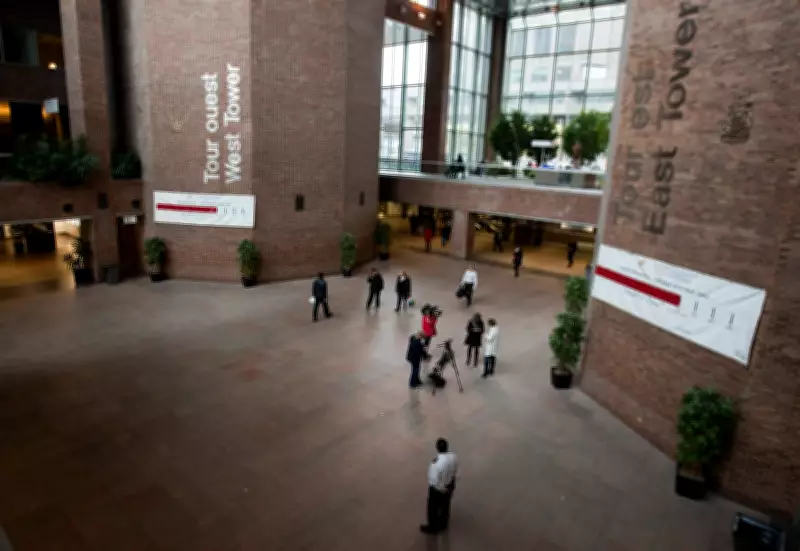
Montreal Public Servants Voice Asbestos Concerns at Guy-Favreau Complex
Public servants working in Montreal's Guy-Favreau Complex have raised significant concerns regarding the potential presence of asbestos within the building. This issue has sparked discussions about workplace safety and health protocols, as employees fear exposure to the hazardous material, which is known to cause serious respiratory diseases, including mesothelioma and asbestosis.
Health and Safety Implications
The concerns stem from the building's age and construction materials, which may contain asbestos fibers commonly used in older structures for insulation and fireproofing. Asbestos, when disturbed, can release microscopic particles into the air, posing a severe risk to occupants. Public servants have reported unease about their daily work environment, urging authorities to conduct thorough inspections and implement necessary remediation measures.
Government Response and Actions

In response to these worries, officials have initiated preliminary assessments to evaluate the situation. This includes reviewing historical building records and conducting air quality tests to detect any asbestos contamination. The goal is to ensure compliance with health regulations and safeguard the well-being of all employees and visitors to the complex.
Broader Context and Precedents
This incident highlights ongoing challenges in managing aging public infrastructure across Canada. Similar cases in other cities have led to costly renovations and temporary relocations. Experts emphasize the importance of proactive maintenance and regular monitoring to prevent such health hazards, especially in buildings constructed before asbestos bans were enforced.
Public servants are calling for transparency and swift action to address these concerns, with some advocating for temporary work-from-home arrangements until the building is deemed safe. The situation underscores the critical need for robust occupational health standards in government facilities.
As investigations continue, stakeholders await further updates on the findings and any planned interventions. This development serves as a reminder of the persistent risks associated with older architectural materials and the imperative to prioritize safety in public spaces.