The British Columbia government has announced a significant investment of $50 million to broaden the availability of nasal naloxone across the province over the next two years. This initiative is part of a concerted effort to curb the alarming number of overdose deaths linked to toxic drugs, which have tragically claimed the lives of more than 16,000 British Columbians since a public health emergency was declared in 2016.
Expanding Access to Life-Saving Medication
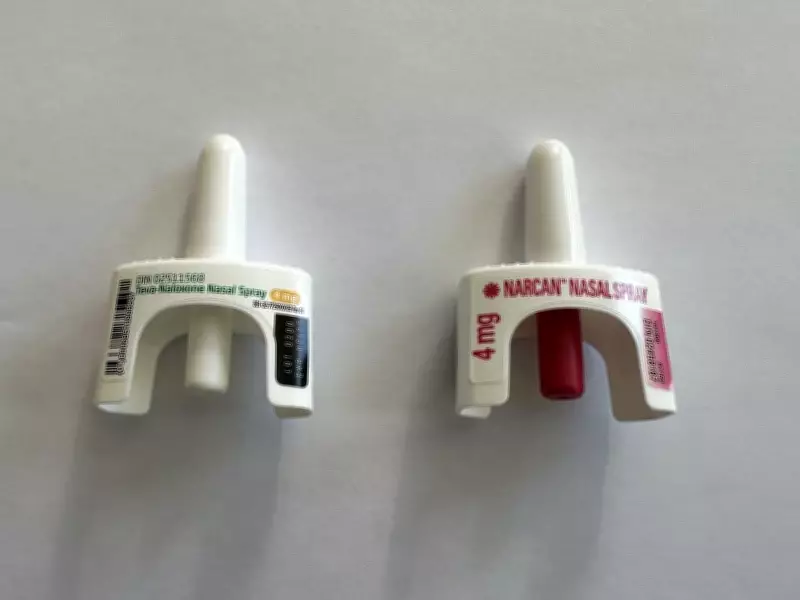
Health Minister Josie Osborne revealed the plan on Thursday, emphasizing that nasal naloxone offers a more user-friendly alternative to the traditional injection method. This is particularly beneficial for youth and individuals who may feel apprehensive about administering needles during an overdose emergency.
The funding will support the distribution of thousands of nasal naloxone kits, which will be accessible at 150 community locations. Additionally, a pharmacy rollout is scheduled to commence in April, ensuring widespread availability.

Building on a Successful Pilot Program
This expansion builds upon a nasal naloxone pilot program that was launched in 2024. Minister Osborne highlighted the urgency of the situation, stating, "We’ve lost too many friends, family members and loved ones to the toxic-drug crisis." She further explained that the poisoned drug supply poses risks to both first-time and regular users, making nasal naloxone a critical tool in preventing fatalities and enhancing mental health and substance-use care systems.
Nasal naloxone works by temporarily reversing opioid poisoning through nasal administration. Health experts note its safety and ease of use, though it is important to recognize that it may not be effective against all toxic substances, such as medetomidine, a sedative found in illicit drugs. Despite this, authorities recommend its administration in overdose situations as a precautionary measure.
Educational and Safety Measures in Institutions
In related developments, the ministry previously mandated that all 25 universities and colleges in British Columbia be equipped with nasal naloxone by the fall. Schools are required to make these kits readily available to students and to subscribe to alerts from the B.C. Centre for Disease Control regarding local overdose incidents. These alerts, along with information on drug testing and naloxone access, must be disseminated to the student body.
These regulations were implemented following the tragic death of University of Victoria student Sidney McIntyre-Starko, who succumbed to fentanyl poisoning in a dormitory in January 2024 without receiving timely life-saving intervention.
Industry Calls for Enhanced Safety Protocols
Beyond educational settings, there is growing advocacy from B.C. trades workers for the mandatory inclusion of nasal naloxone on construction sites. This underscores the broad societal impact of the overdose crisis and the need for comprehensive safety measures across various sectors.
The $50 million investment represents a proactive step by the B.C. government to address a persistent public health challenge, aiming to save lives and foster a more resilient community response to substance-related emergencies.