B.C. Implements Advanced System to Combat Illicit Drug Trade with Chemical Fingerprinting and AI
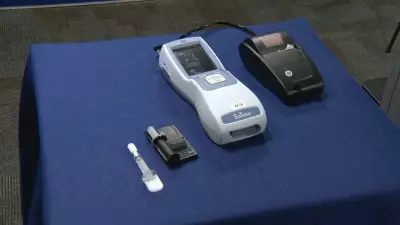
In a significant move to address the ongoing drug crisis, British Columbia is set to deploy a cutting-edge tracking system for illicit substances. This initiative leverages chemical fingerprinting and artificial intelligence technologies to monitor and trace the origins of drugs like fentanyl, methamphetamine, and other controlled substances. The program aims to enhance law enforcement efforts and public health responses by providing detailed insights into drug distribution networks.
How Chemical Fingerprinting and AI Will Work Together
The system involves analyzing the unique chemical signatures of seized drugs to create a digital fingerprint. Artificial intelligence algorithms will then process this data to identify patterns, connections, and sources across different regions. This approach allows authorities to map out supply chains more effectively, potentially leading to targeted interventions and disruptions in the illicit drug market.
Key objectives include improving the accuracy of drug identification and speeding up response times for public health alerts. By integrating AI, the system can adapt to new drug variants and emerging threats, offering a proactive stance in combating substance abuse. This technology is expected to complement existing harm reduction strategies, such as supervised consumption sites and naloxone distribution programs.

Impact on Public Health and Safety in British Columbia
British Columbia has been grappling with a severe opioid crisis, with high rates of overdose deaths linked to substances like fentanyl. The introduction of this tracking system is seen as a critical step in reducing drug-related harms and enhancing community safety. Officials hope that by understanding the composition and flow of illicit drugs, they can better allocate resources and implement evidence-based policies.
The initiative also supports broader efforts in addiction recovery and mental health services. By identifying hotspots and trends, healthcare providers can tailor interventions to meet the needs of affected populations. This data-driven approach may lead to more effective prevention campaigns and support systems for individuals struggling with substance use disorders.
- Enhanced detection of drug contamination and adulteration.
- Improved collaboration between law enforcement and health agencies.
- Potential reduction in overdose incidents through timely warnings.
As the system rolls out, it will undergo rigorous testing and evaluation to ensure its efficacy and compliance with privacy regulations. Stakeholders, including community organizations and academic researchers, will be involved in monitoring its impact and making necessary adjustments.