B.C. Marks a Decade of Overdose Tragedy: Reflecting on 10 Years of Emergency
British Columbia is confronting the grim milestone of a 10-year public health emergency declared in response to the overdose crisis, a period marked by profound loss and persistent challenges. Since the emergency was first announced, more than 18,000 lives have been lost to drug overdoses across the province, underscoring the severity of this ongoing epidemic.
A Timeline of Key Events in the Overdose Emergency
The crisis has unfolded through several critical phases, each shaping the response and public awareness. In 2016, the provincial government officially declared a public health emergency, a move prompted by a sharp rise in overdose deaths, largely driven by the illicit drug supply contaminated with potent substances like fentanyl. This declaration aimed to mobilize resources and coordinate efforts across health agencies and communities.
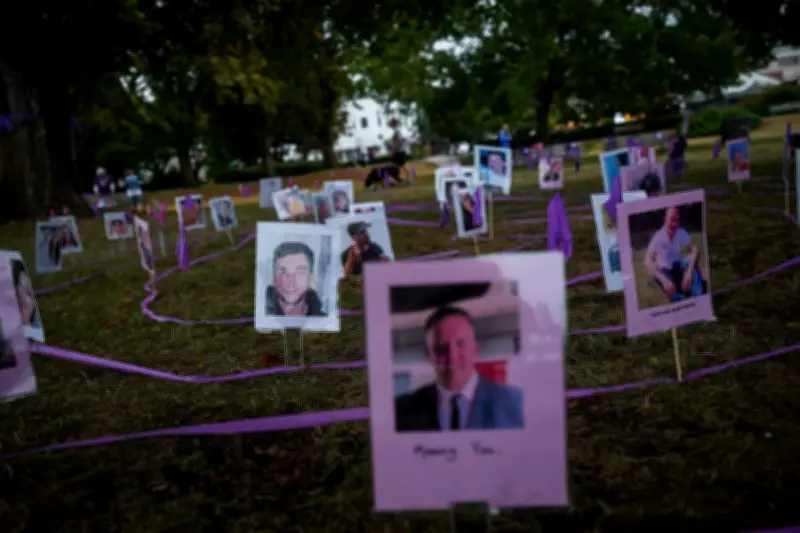
Community groups, such as Moms Stop the Harm, have played a vital role in advocating for change and honoring victims. For instance, in August 2023, members of this organization displayed photographs of overdose victims in Vancouver to mark International Overdose Awareness Day, a poignant reminder of the human toll. These efforts highlight the grassroots activism that has emerged alongside governmental actions.

Impact and Ongoing Challenges
Over the years, the crisis has exposed gaps in healthcare and social services, with issues like wait times and access to treatment complicating the response. For example, in Manitoba, five deaths have been linked to hospital wait times, echoing concerns seen in B.C. about systemic barriers to care. The overdose emergency has also intersected with broader societal issues, including housing and mental health, as seen in opposition to supportive housing projects in Metro Vancouver municipalities.
Despite initiatives such as harm reduction programs and increased funding for addiction services, the death toll continues to rise, with recent years seeing no significant decline in fatalities. This persistence underscores the complexity of the crisis, which involves not only public health but also economic, legal, and social factors.
Looking Ahead: The Path Forward
As B.C. enters the second decade of this emergency, stakeholders are calling for enhanced strategies, including better drug policy reforms and expanded support for affected communities. The federal government's involvement, such as court cases related to human rights and the RCMP, adds another layer to the multifaceted response. The crisis serves as a stark reminder of the need for sustained, collaborative efforts to prevent further loss and address the root causes of addiction.
In summary, the 10-year overdose health emergency in British Columbia represents a tragic chapter in the province's history, with over 18,000 lives lost and countless families impacted. While progress has been made in raising awareness and implementing interventions, the ongoing challenges demand continued vigilance and innovation in public health approaches to ultimately save lives and heal communities.