B.C.'s Decade of Drug Crisis: 18,000 Lives Lost in 10-Year Emergency
British Columbia is confronting a devastating milestone as it counts the cost of a ten-year drug emergency that has claimed approximately 18,000 lives. This staggering figure underscores a profound public health crisis that continues to ravage communities across the province, with fentanyl overdoses driving much of the mortality.
A Mother's Grief and a Skateboard's Memory
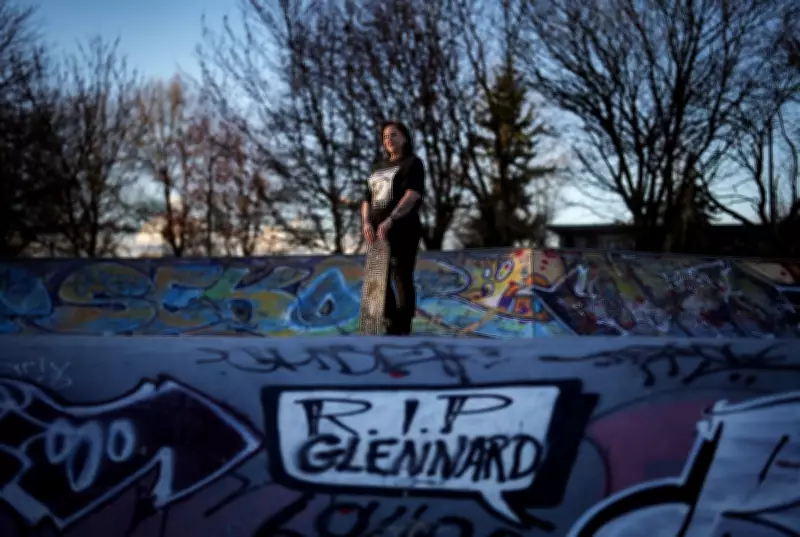
Meredith Dan holds the skateboard of her late son, Glenn Rebic, at the China Creek skate park in Vancouver, a place where he once found joy and community. Rebic died from a fentanyl overdose in 2019 at the age of 29, becoming one of the thousands of victims in this ongoing tragedy. His story, like many others, highlights the human toll behind the statistics, as families grapple with loss and seek meaning in remembrance.
The decade-long emergency has seen overdose deaths surge, particularly due to the proliferation of potent synthetic opioids like fentanyl. Health officials and advocates warn that without significant intervention, the crisis could persist, claiming even more lives in the years to come. The data reveals a pattern of escalating fatalities, with recent years showing no signs of abatement despite increased awareness and some policy measures.

The Broader Impact on Society and Healthcare
Beyond the immediate loss of life, the drug emergency has strained British Columbia's healthcare system, overwhelmed social services, and deepened societal challenges. Communities are calling for more robust support systems, including expanded access to treatment, harm reduction programs, and mental health resources. Critics argue that current efforts are insufficient to stem the tide of deaths, urging a more coordinated and compassionate approach.
In response, some municipalities have implemented supportive housing initiatives and overdose prevention sites, though these efforts often face opposition from local residents concerned about safety and property values. This tension reflects the complex balance between public health needs and community concerns, complicating the path forward.
Looking Ahead: Challenges and Hopes for Change
As British Columbia marks this somber anniversary, there is a growing consensus that a multifaceted strategy is essential. This includes addressing root causes such as poverty, trauma, and lack of access to healthcare, while also enhancing immediate interventions like naloxone distribution and supervised consumption services. Advocates emphasize that treating addiction as a health issue rather than a criminal one is crucial for reducing stigma and saving lives.
The legacy of the 18,000 lives lost serves as a stark reminder of the urgency required. Families like Meredith Dan's continue to advocate for change, hoping that their stories will inspire action and prevent future tragedies. With continued public attention and policy innovation, there is hope that the next decade can see a reversal of this deadly trend, but the road ahead remains fraught with challenges.