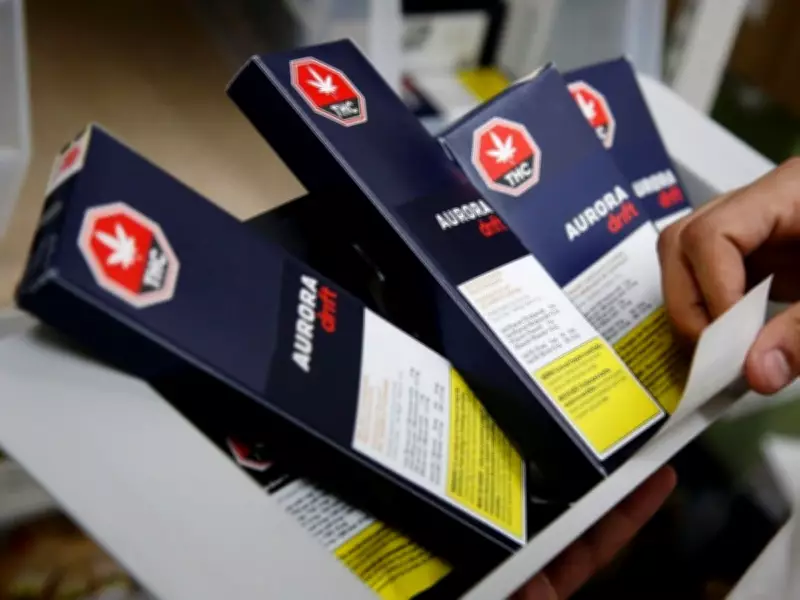
Canada has emerged as a global case study for the unintended health impacts of cannabis legalization in the years following its 2018 approval for recreational adult use. Initially, figures like Peter Shier, president of Canadian advertising agency Naked Creative Consultancy, celebrated this move, envisioning cannabis as a national symbol akin to wine in France or whisky in Scotland. However, the reality has proven far more complex, with significant health concerns now coming to the forefront.
Rising Health Issues Post-Legalization
When cannabis legislation was first proposed, predictions warned of a hard landing for Canadians, particularly youth. These forecasts have unfortunately materialized, as evidenced by increasing health crises. One major concern is cannabis hyperemesis syndrome (CHS), a condition characterized by intractable vomiting that drives numerous adults and teenagers to seek emergency medical care. A 2021 editorial in the Journal of Adolescent Health aptly labeled CHS as "The Coming Storm," highlighting its growing prevalence. Once affected, individuals often face repeated emergency department visits unless they cease use, a challenge compounded by addiction.
Mental Health Risks for Adolescents
Even more alarming is the link between cannabis use and mental health issues, especially among adolescents. A large May 2024 study published in Psychological Medicine found that Canadian teenagers who use cannabis face an 11 times higher risk of psychosis compared to non-users. Additional research, including a comprehensive 2023 Danish study, suggests that up to 30 percent of schizophrenia cases in young males may be associated with cannabis use disorder. These findings underscore the vulnerability of developing brains to pot-induced psychosis.

Evolution of Cannabis Potency
It is crucial to recognize that modern cannabis differs significantly from past versions. As noted by Dr. Mark Yarema, head of Alberta’s Poison and Drug Information Service, today’s pot "is not your parents’ marijuana." The concentration of tetrahydrocannabinol (THC), the primary psychoactive component, has surged from around three percent in the 1980s to 15 percent, with some products reaching as high as 30 percent. Moreover, contemporary cannabis often contains synthetic cannabinoid receptor agonists, which resemble hallucinogenic amphetamines and pose severe toxicity risks to young, developing brains. Since frontal lobes do not fully mature until age 25, these heightened potencies present a grave concern.
Normalization and Youth Usage
Although cannabis remains illegal for individuals under 18, legalization for adults has inadvertently normalized its use among youth, mirroring trends seen with alcohol. According to Dr. James Seabrook, a professor at Western University, approximately 20 percent of 16- to 19-year-olds are regular cannabis users, with nearly nine percent consuming it daily. This normalization, combined with increased potency and accessibility, exacerbates the health risks outlined in recent studies.
In summary, Canada’s experience with cannabis legalization serves as a cautionary tale, highlighting unintended consequences such as rising addiction rates, severe health conditions like CHS, and heightened mental health risks for adolescents. As the nation continues to navigate this landscape, ongoing research and public awareness are essential to address these challenges effectively.