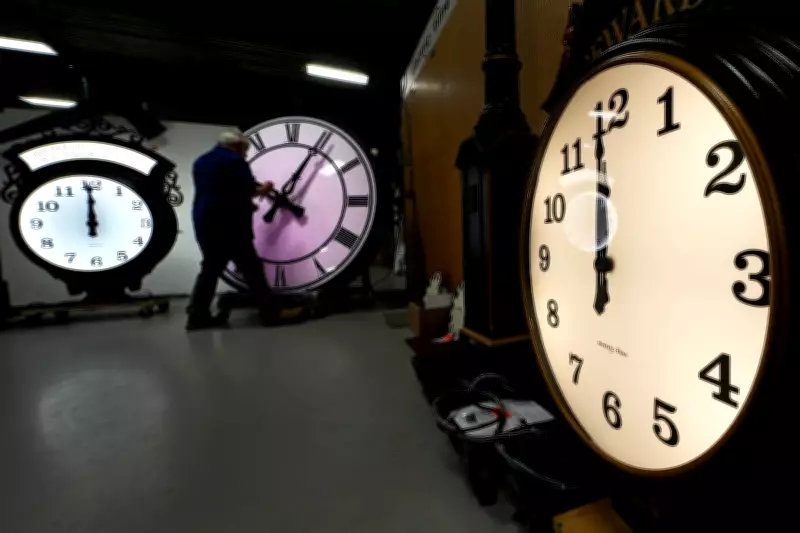
Canadians across the nation are preparing to lose a precious hour of sleep as daylight saving time is scheduled to commence in approximately one week. This annual ritual requires setting clocks forward by one hour, effectively shifting more daylight into the evening hours but cutting into nighttime rest.
The Imminent Time Adjustment
As we approach the second Sunday in March, households and businesses throughout Canada will adjust their timepieces forward by sixty minutes. This change officially occurs at 2:00 AM local time, when clocks spring ahead to 3:00 AM. The transition marks the beginning of extended evening daylight that will persist until early November, when standard time resumes.
Historical Context and Contemporary Debates
Daylight saving time has been implemented in various forms across Canada for decades, originally conceived as an energy conservation measure during wartime periods. Today, its continued observance sparks annual discussions about its relevance and impact on modern society. Numerous provinces have considered legislation to eliminate the biannual time changes, citing potential benefits to public health and economic productivity.

Sleep experts consistently warn about the disruptive effects of this temporal shift on circadian rhythms. The lost hour of sleep can contribute to increased fatigue, reduced concentration, and even temporary spikes in workplace accidents and traffic incidents during the adjustment period following the change.
Preparation Recommendations
Health professionals suggest several strategies to mitigate the effects of the time transition:
- Gradually adjust sleep schedules in the days preceding the change
- Maximize exposure to natural morning light after the shift
- Maintain consistent meal times despite the altered clock
- Avoid caffeine and electronic screens close to bedtime
While many Canadians appreciate the additional evening daylight for recreational activities, the initial adjustment period presents challenges for those sensitive to sleep pattern disruptions. The debate continues regarding whether the benefits of extended daylight hours outweigh the documented health and safety concerns associated with the biannual time changes.
As the deadline approaches, Canadians are reminded to manually adjust any analog clocks and verify that digital devices with automatic time synchronization are properly configured. The transition affects all time zones across the country simultaneously, though some regions and municipalities maintain exceptions to the standard practice.