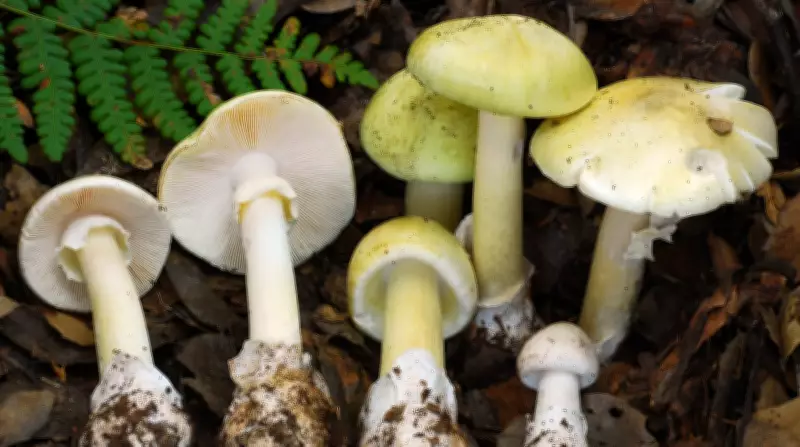
Deadly Death Cap Mushrooms Surge in California, Prompting Urgent Public Health Alert
A rainy winter in California has created ideal conditions for the proliferation of the aptly named death cap mushroom, leading to a tragic spike in poisonings that has already claimed four lives and necessitated three liver transplants. The California Department of Public Health is issuing an urgent warning, advising the public to avoid all mushroom foraging this year due to the extreme danger posed by these toxic fungi, which are easily mistaken for safe, edible varieties.
Alarming Spike in Poisoning Cases and Fatalities
Since November 18, health officials have reported more than three dozen cases of mushroom poisonings, a number that greatly exceeds the typical annual report of fewer than five cases. The victims have ranged in age from 19 months to 67 years old, with many suffering from rapidly evolving acute liver injury and liver failure. Several patients required admission to intensive care units, highlighting the severe medical consequences of ingestion.
National data from U.S. Poison Centers corroborates this troubling trend, showing a 40% increase in mushroom exposures from September 2025 through January 2026 compared to the same period the previous year, with 2,315 cases handled. It is important to note that exposures do not always result in illness, but the sharp rise underscores the heightened risk.

Personal Tragedy Highlights the Risks
The human cost of this outbreak is starkly illustrated by the experience of Laura Marcelino, a 36-year-old seasonal farmworker from Salinas in Northern California. In an interview with the San Francisco Chronicle, Marcelino explained in Spanish that her family gathered mushrooms resembling those they foraged in their native Oaxaca, Mexico, believing them to be safe.
"We thought it was safe," she said. After initial mild symptoms, they consumed the mushrooms again in a soup. Both adults subsequently fell ill with vomiting, leading to a five-day hospital stay for Marcelino and a life-saving liver transplant for her husband. Fortunately, their children, who do not like mushrooms, avoided the toxic meal.
Why Death Cap Mushrooms Are So Dangerous
Experts emphasize that the death cap mushroom (Amanita phalloides) is particularly treacherous. Its color is not a reliable indicator of toxicity, and whether it is raw, dried, or cooked does not reduce its deadly potency. Symptoms typically appear within 24 hours of ingestion and can include:
- Stomach cramping
- Nausea
- Diarrhea
- Vomiting
While these early symptoms may subside within a day, serious to fatal liver damage can develop within two to three days, making timely medical intervention critical. Treatment becomes significantly more difficult once symptoms advance, so doctors urge anyone who suspects they have ingested a poisonous mushroom to seek immediate medical care.
Geographic Spread and Vulnerable Communities
Death cap mushrooms have been collected in local and national parks across Northern California and the Central Coast, with clusters identified in the Monterey and San Francisco Bay areas. The public health department reports that those poisoned have included many Spanish, Mixteco, and Mandarin Chinese speakers. In response, the state has expanded its warnings in multiple languages. Spanish was the primary language for more than 60% of the poisoning victims.
Critical Safety Recommendations for the Public
In light of this crisis, officials are offering clear guidance to protect Californians:
- Avoid foraging for wild mushrooms entirely this season.
- Purchase mushrooms only from trusted grocery stores and reputable sellers.
- Closely supervise children and pets in areas where mushrooms grow.
- If poisoning is suspected, contact medical professionals immediately or call the U.S. Poison Control Centers at 1-800-222-1222 or visit PoisonHelp.org.
The combination of favorable weather, the mushroom's deceptive appearance, and gaps in public awareness has created a perfect storm for tragedy. This public health alert serves as a sobering reminder of the hidden dangers in nature and the importance of heeding expert warnings to prevent further loss of life.