First Nations Overdose Deaths in B.C. Show Decline in 2025, Yet Disparities Persist
In a recent development, overdose deaths among First Nations individuals in British Columbia have seen a reduction in 2025, according to health authorities. However, despite this positive trend, the mortality rates continue to be disproportionately high compared to the broader population, underscoring deep-seated health inequities that require urgent attention.
Health Data Reveals Mixed Outcomes
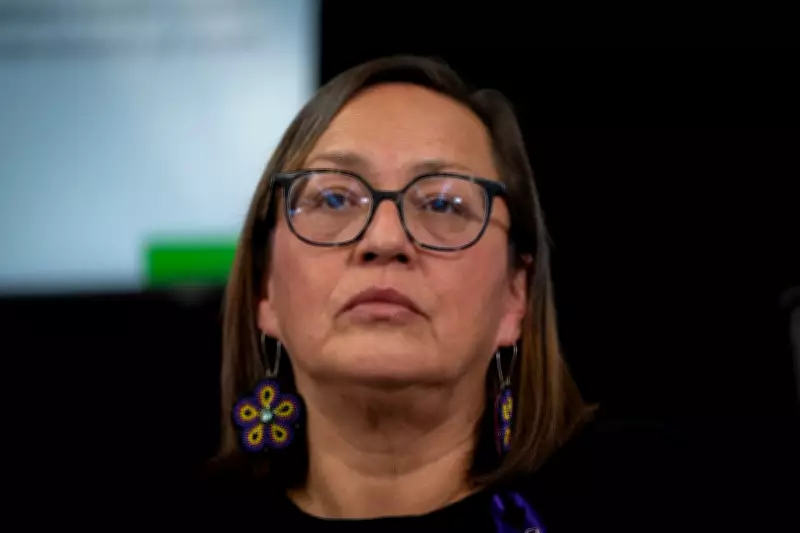
The latest statistics indicate a notable drop in fatal overdoses within First Nations communities across B.C. This decline is attributed to enhanced public health interventions, including increased access to harm reduction services and naloxone distribution. Dr. Cornelia (Nel) Wieman, Chief Medical Officer of the First Nations Health Authority, emphasized the importance of these measures during a news conference in West Vancouver in April 2025, highlighting collaborative efforts to address the crisis.
Despite the decrease, the data shows that First Nations people are still experiencing overdose deaths at rates significantly above the provincial average. This disparity points to underlying issues such as systemic barriers to healthcare, socioeconomic challenges, and historical trauma that exacerbate substance use disorders in these communities.

Ongoing Challenges and Calls for Action
Public health experts warn that while the reduction in deaths is encouraging, it does not signify a resolution to the overdose crisis. Factors like the toxic drug supply, limited mental health support, and inadequate housing continue to pose risks. The persistent gap in outcomes calls for sustained and targeted strategies to bridge the health divide.
Initiatives such as culturally safe treatment programs and community-led prevention efforts are being advocated to build on the progress made. Stakeholders stress the need for ongoing funding and policy support to ensure that gains are not reversed and that all residents of B.C. have equitable access to life-saving resources.
In summary, the 2025 data on First Nations overdose deaths in British Columbia presents a complex picture of improvement tempered by enduring inequalities. Continued vigilance and comprehensive approaches are essential to further reduce fatalities and promote health justice for Indigenous peoples.