ICE Raids Force Pregnant Patients to Skip Vital Care, Leading to Tragic Outcomes
Immigration enforcement actions are creating a climate of fear that prevents pregnant individuals from accessing essential prenatal care, with devastating consequences for maternal and infant health. A recent poll of over 500 pregnant people reveals that 20% have avoided medical appointments due to concerns about ICE activity, leading to increased risks of stillbirth, prematurity, and infant death.
A Heartbreaking Case in North Carolina
In a poignant example, a 36-week pregnant patient in North Carolina, considered high-risk and recommended for twice-weekly fetal monitoring, stopped attending her obstetric appointments after reports of ICE raids in her hometown. She confined herself to her home, ordering groceries online and keeping her older child out of daycare. Tragically, she later experienced a stillbirth, leaving her to forever wonder if those missed appointments could have changed the outcome. "We will never know if fetal monitoring could have saved her baby," the attending physician noted, highlighting the emotional burden carried by mothers who suffer pregnancy loss.
The Broader Impact on Prenatal Health
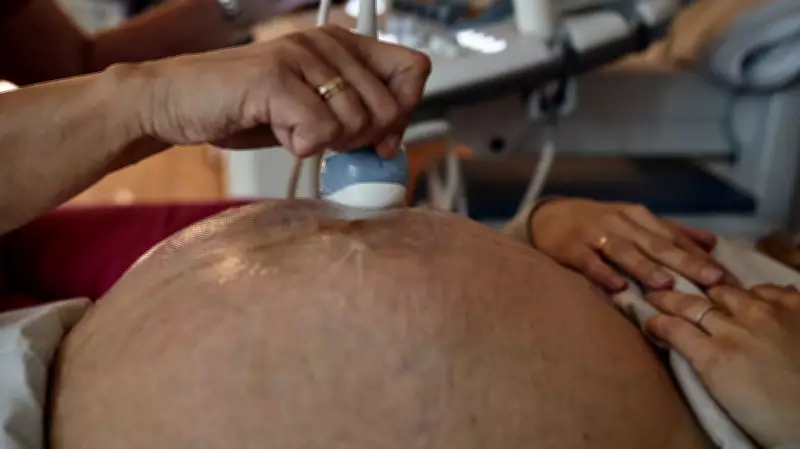
This case is not isolated. Providers across specialties in targeted cities report alarming no-show rates for critical appointments. For instance, during Operation "Charlotte's Web," a Border Patrol operation in the Charlotte area, patients are now presenting in labor without having received prenatal care since the raids months prior. Maternal-fetal medicine specialists indicate record-high missed ultrasound appointments, which are typically a cherished part of prenatal care for expecting families.

Research underscores the severity of this issue. A study analyzing over 25 million birth outcomes found a linear relationship between lack of prenatal care and adverse results: the fewer visits, the higher the likelihood of stillbirth or infant death within the first year. Regular monitoring in the third trimester is crucial for detecting conditions like preeclampsia and early labor, making missed appointments a direct threat to both mother and baby.
Beyond Obstetrics: A Community-Wide Crisis
The repercussions extend far beyond pregnancy care. Patients with chronic conditions are also skipping essential appointments, jeopardizing their long-term health. Immigration enforcement policies are fracturing families and eroding trust in public institutions, creating a ripple effect that impacts work, education, and basic healthcare access. "ICE has terrorized our communities, forcing impossible choices," the physician writes, describing the dilemma faced by many: risk family separation by attending a clinic or stay home and risk pregnancy complications.
As a healthcare provider witnessing these human costs daily, the call to action is clear. It is imperative to advocate for policies that protect patient dignity and ensure the right to live without fear, safeguarding health outcomes for all vulnerable populations.