Iranian Security Forces Allegedly Hindered Hospital Care for Injured Demonstrators
In a disturbing development from Iran, reports have emerged that agents of the Iranian government actively obstructed medical care at hospitals that were overwhelmed with wounded protesters. This alleged interference occurred during a period of intense anti-government demonstrations, raising serious concerns about the treatment of injured civilians.
Hospitals Overwhelmed Amid Political Unrest
Hospitals in Tehran and other major cities found themselves packed with individuals injured during widespread protests against the Iranian regime. The influx of wounded protesters created a critical situation where medical resources were stretched thin, and timely care became increasingly difficult to provide.
According to multiple sources, Iranian security agents reportedly entered these medical facilities and deliberately hindered healthcare workers from treating protesters. This obstruction allegedly included preventing doctors from accessing certain patients, restricting movement within hospitals, and creating an atmosphere of intimidation that compromised medical protocols.

The Impact on Medical Treatment
The reported interference by government agents significantly exacerbated an already dire situation. Medical professionals found themselves caught between their ethical duty to provide care and the intimidating presence of security forces within their workplaces. This created what one observer described as a "medical crisis within a political crisis."
Patients with protest-related injuries faced additional barriers to receiving timely treatment, potentially worsening outcomes for those with serious wounds. The presence of security agents in medical settings also raised questions about patient confidentiality and the right to medical privacy during times of civil unrest.
Broader Context of Recent Protests
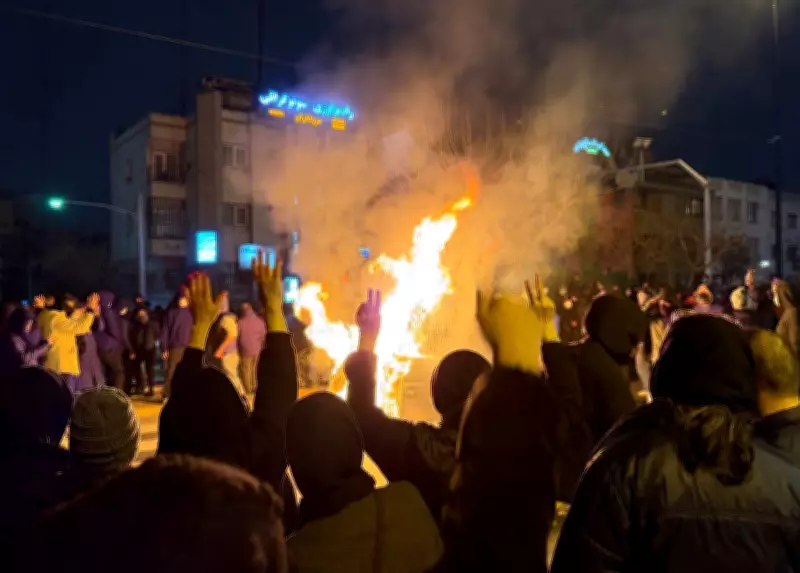
These reports come against the backdrop of sustained anti-government demonstrations that have swept through Iran in recent months. The protests, which began in early 2026, have represented one of the most significant challenges to the Iranian government in years, drawing participants from various segments of society.
Photographic evidence obtained by international media outlets has shown large crowds gathering in Tehran and other cities, with demonstrators voicing opposition to government policies and calling for political reforms. The scale of these protests has tested the government's response mechanisms and drawn international attention to the situation within Iran.
International Reaction and Concerns
The alleged obstruction of medical care has prompted concern from human rights organizations and medical ethics groups worldwide. International observers have emphasized that interfering with medical treatment during civil unrest represents a serious violation of both medical ethics and human rights principles.
Medical professionals have noted that hospitals should remain neutral spaces where care is provided based on medical need rather than political affiliation. The reported actions by Iranian agents, if confirmed, would represent a significant breach of this fundamental principle of medical neutrality.
As the situation continues to develop, questions remain about the full extent of the interference and its impact on those injured during the protests. The reports highlight the complex challenges facing both medical professionals and civilians during periods of political turmoil in Iran.