A minority of Canadians and at least one provincial government would like to see the back of medicare as we know it. No government is brave enough to call for its demise. It is less risk to chip away at it one corrosive policy at a time, veiled in the soothing language of expanded choice, increased capacity and empowered patients.
Public policy gaslighting is a political art form designed to convince people that measures that would be bad for them are good for them, and vice-versa. A prime example is tax policy. An army of lobbyists and billionaire-funded think tanks argue that low taxes for rich people help ordinary working stiffs, and wealth taxes are vengeful assaults on hard work and ingenuity that will drive the best and brightest to the Caymans.
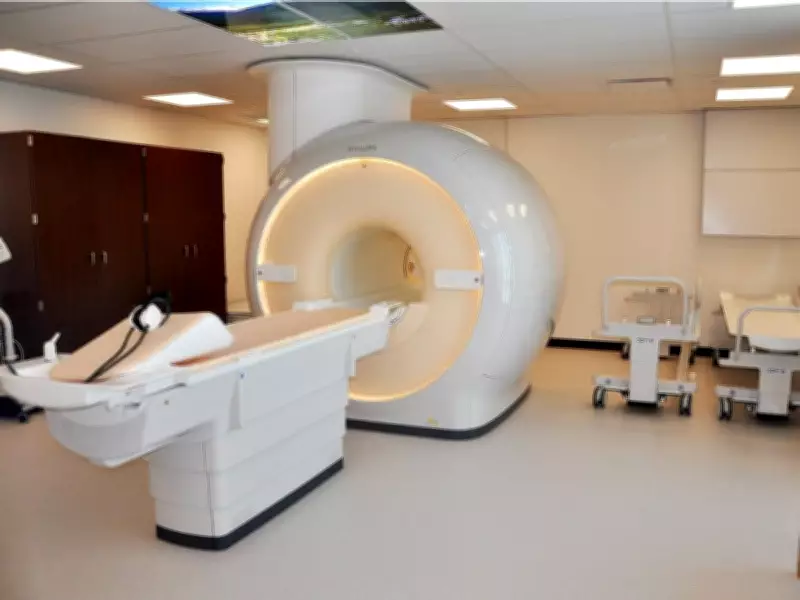
On April 13, Alberta’s minister of primary and preventative health services, Adriana LaGrange, one of four health ministers, held a media conference to explain the rationale behind Bill 29, an act to allow Albertans to self-refer and pay for diagnostic testing. An October 2025 announcement had mentioned MRI and CT scanning, full-body scans, and bloodwork as candidates for self-referral, but the official list is now TBA. People spend oodles of money on wellness products and services, so why can’t they spend some of it in the lab?

But, she reassured, medicare will be there for you, and it is getting better by the month, especially with four ministers on the job, seamlessly coordinating their recently minted silos.
Let us take the minister’s case at face value. Early detection is the featured centrepiece of diagnostics on demand: the walk-in MRI that catches otherwise-invisible and possibly fatal terrors in time to save you from a hideous end. The corollary is that the public system must be bad at it, either because ignorant or callous doctors put their patients at risk by being stingy with tests, or there is not enough capacity. If I were the minister charged with making the case for Bill 29, I would start by sharing the data on how many Albertans have been victims of such negligence. Crickets. A time-honoured gaslighting technique is to invent a phantom problem to camouflage the pursuit of a different objective.
The sales pitch pushes populist tropes that play well in Alberta, including suspicion of educated elites, take-charge self-reliance, and personal autonomy. Who needs some damn doctor to decide whether you need a CT scan or vaccine? It is your life and your money. Let the market decide, not the nanny state. You know how to buy a truck, you can figure out when to buy bloodwork.
As important as what is said is what is not. The minister could not explain how to prevent a patient armed with MRI results from a self-referred scan from jumping the public queue for any required care. Silence persists about whether physicians will be obligated to follow up on any vague or peculiar test results dropped on their desks by patients, the aptly named incidentalomas generated by tests carried out without a coherent idea about what you are looking for.
The private diagnostic market cannot thrive unless the public system fails. People facing interminable waits understandably do what they have to do. If the public system is failing, the duty of government is to fix it, not let it founder as a pretext to promote workarounds. If it is not failing, as the minister boasted about Alberta’s progress, then the real rationale for the legislation lies elsewhere.