Federal Inspections Reveal Widespread Non-Compliance in Vape Industry
In a sweeping federal inspection campaign targeting specialty vape retailers across the nation, authorities have uncovered alarming rates of regulatory non-compliance. Nearly half of all inspected shops failed to meet established federal standards, according to recent data released by health officials. This finding highlights significant gaps in adherence to rules governing the sale and marketing of electronic cigarette products.
Details of the Inspection Initiative
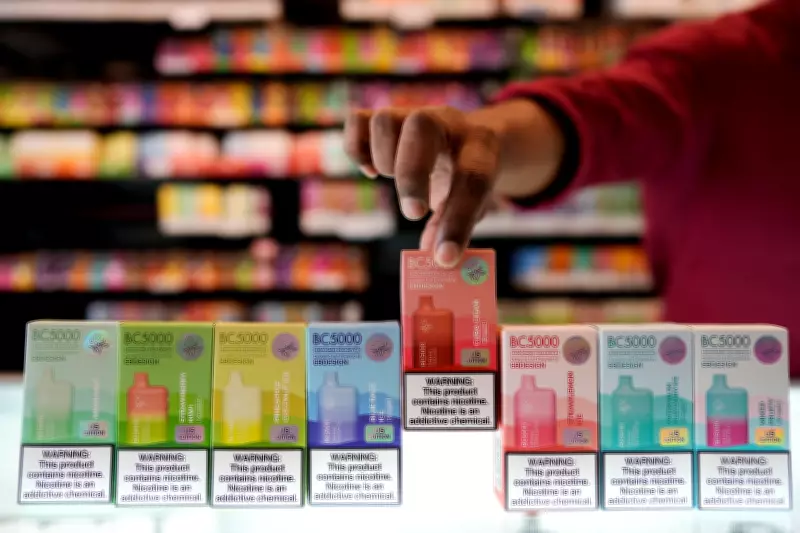
The inspections, conducted over a multi-month period, focused on specialty vape shops that primarily sell e-cigarette devices, liquids, and accessories. Federal agents evaluated compliance with a range of regulations, including age verification protocols, proper labeling of products, and restrictions on flavored offerings that may appeal to younger consumers. The results indicate that approximately 50% of these establishments were found to be in violation of one or more federal requirements.
Key areas of non-compliance included inadequate age verification processes and improper product labeling. Many shops were cited for failing to properly check identification for customers who appeared under the age of 30, a mandatory step under current federal law. Additionally, numerous retailers were found selling products with misleading or incomplete labeling regarding nicotine content and health warnings.

Implications for Public Health and Regulation
This high rate of non-compliance raises serious public health concerns, particularly regarding youth access to vaping products. E-cigarettes have surged in popularity in recent years, especially among teenagers and young adults, prompting increased regulatory scrutiny. The inspection findings suggest that many specialty retailers are not fully adhering to measures designed to curb underage vaping and ensure consumer safety.
"These results are troubling and indicate a need for stronger enforcement and education within the vape retail sector," stated a federal health official involved in the inspections. "We must ensure that all retailers understand and comply with regulations intended to protect public health, especially our youth."
The federal government has indicated that follow-up actions will include increased monitoring, potential fines for repeat offenders, and educational outreach to help retailers understand their legal obligations. Consumer advocacy groups have welcomed the inspection report, calling for even stricter oversight and harsher penalties for non-compliant shops.
Industry Response and Future Outlook
Representatives from the vaping industry have acknowledged the findings but emphasized that many retailers strive to operate within the law. Some attribute the non-compliance to confusion over rapidly evolving regulations or a lack of clear guidance from authorities. However, health experts argue that ignorance of the law is not an excuse, particularly in an industry with significant public health implications.
Moving forward, federal agencies plan to expand inspection efforts and collaborate with state and local authorities to improve compliance rates. The goal is to create a more consistent regulatory environment that reduces youth access to vaping products while allowing adult consumers to make informed choices. This initiative is part of a broader federal strategy to address nicotine addiction and its associated health risks in the United States.