New 'Cicada' COVID Variant BA.3.2 Detected Across 25 U.S. States
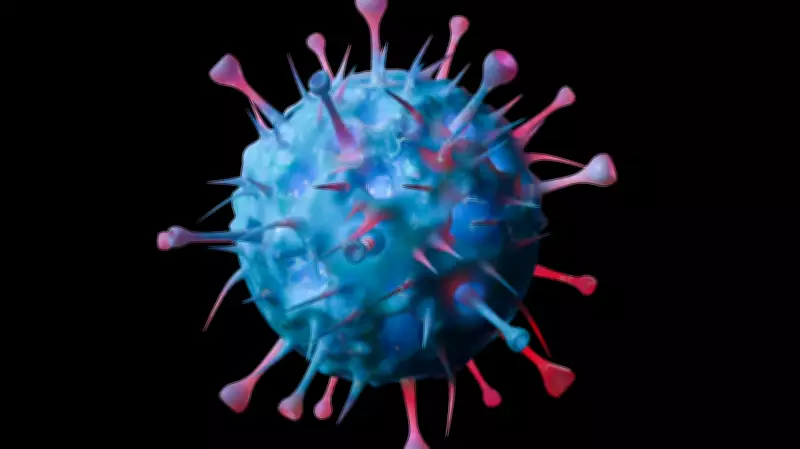
A newly identified COVID-19 variant, designated BA.3.2 and colloquially known as "Cicada," has been detected in wastewater samples across twenty-five states, according to a recent surveillance report issued by the Centers for Disease Control and Prevention. This development marks the variant's confirmed presence within the United States, prompting close monitoring by public health officials and infectious disease researchers.
Global Spread and Current U.S. Presence
The BA.3.2 lineage was first discovered in South Africa during November 2024. Since its initial detection, it has demonstrated significant transmissibility, spreading to at least twenty-three countries worldwide. In certain European regions, it currently accounts for approximately thirty percent of all sequenced COVID-19 cases, indicating its potential for rapid community spread.
In the United States, the variant was first identified in January 2026. Dr. Abraar Karan, an instructor in the Division of Infectious Diseases and Geographic Medicine at Stanford University School of Medicine, notes that while BA.3.2 currently constitutes only a small percentage of overall U.S. cases, its detection in wastewater across multiple states suggests established, low-level community transmission.

"In the U.S., it has been detected in wastewater across multiple states which suggests low-level spread, but it has not emerged as the dominant variant," confirmed Dr. Syra Madad, a noted epidemiologist and author. The current dominant variant circulating in the U.S. remains XFG, per CDC data.
Why Researchers Are Concerned: Spike Protein Mutations
Despite generally low COVID-19 activity nationwide, the BA.3.2 variant has captured the attention of virologists and epidemiologists due to its genetic profile. Experts highlight that BA.3.2 possesses a notably high number of mutations, particularly within the spike protein region of the virus.
"BA.3.2 is a newer SARS-CoV-2 variant that public health officials are watching closely because it has a large number of spike protein mutations, which may help it partially evade immunity from prior infection or vaccination," explained Dr. Madad.
Dr. Karan elaborated on this concern, stating, "It does have more mutations than some other variants ... in the spike protein, which is particularly relevant for various proxies of whether this could cause more problems to humans." These specific mutations are known to potentially enhance the virus's transmissibility and its ability to circumvent existing immune defenses, making the variant a subject of heightened scrutiny.
Symptoms and Severity: What We Know So Far
At this stage, it is not clear if BA.3.2 causes any novel or distinctive symptoms compared to other circulating variants. Given its relatively low case percentage, researchers caution that symptom data remains preliminary.
Dr. Karan indicated that current COVID-19 symptoms associated with recent variants, including potential BA.3.2 cases, largely mirror those seen in recent years—primarily upper respiratory issues rather than severe pneumonia. "Upper respiratory symptoms, not pneumonias, but more runny noses, sneezing, headaches, body aches," he described.
Importantly, there is no current evidence suggesting BA.3.2 causes more severe illness on a population level. "So far there is no evidence that it is causing more severe illness on a population level," Dr. Madad affirmed. Recent variants have generally trended toward causing milder disease than the original virus, though COVID-19 continues to result in hospitalizations, fatalities, and long COVID cases, albeit at a reduced likelihood.
Protection and Vaccination Efficacy
The CDC report classifies BA.3.2 as a genetically distinct new lineage, separate from the JN.1 lineages like LP.8.1 and XFG that have been dominant since early 2024. While current COVID-19 vaccines were designed to target the LP.8.1 variant, health experts stress they remain a critical tool for protection.

"The current COVID vaccines are still expected to provide meaningful protection, especially against severe illness, hospitalization and death," Dr. Madad explained. "Lab studies suggest BA.3.2 may reduce some antibody protection compared with other circulating variants but vaccines remain an important layer of defense, particularly for older adults and higher-risk groups."
Public Health Recommendations for Spring
With COVID-19 activity currently low and declining in most areas, health officials advise a measured, proactive approach. Key protective measures remain unchanged and highly effective:
- Staying up-to-date with recommended COVID-19 vaccinations.
- Practicing frequent and thorough hand hygiene.
- Wearing high-quality masks in crowded indoor settings.
- Avoiding close contact with individuals who are sick.
- Staying home and testing if COVID-19 symptoms appear, which allows for timely access to antiviral treatments if positive.
Dr. Madad summarized the current situation as a "'stay aware, not alarmed' moment," emphasizing that standard precautions continue to offer robust defense against all variants, including BA.3.2, as surveillance and research efforts continue.