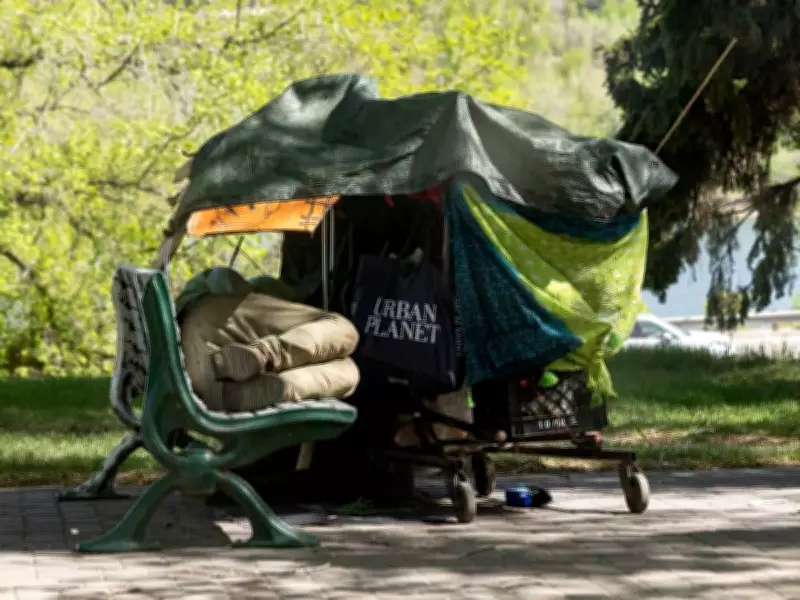
Imagine fingers, along with other body parts, freezing — swelling, blistering, discolouring, and eventually falling off. This sounds incredible and horrible, but it is happening right across the province and country.
A nurse recently cared for a young woman in this condition. In the same week, this nurse saved the lives of six people, all from drug overdoses. Surely, humankind can do better than this for these people.
The Scale of the Crisis
There are at least 824 people unhoused in Regina according to the 2024 Point-in-Time count, and many more across the province. Meanwhile, there are 17,202 provincial housing units with a 17.28 per cent vacancy rate of social housing as of November 2025. Is it not a crime that these units could be gratefully filled but remain empty?

Safe Consumption Sites Under Threat
Recently, the only Prairie Harm Reduction centre closed. Officials in the governing party believe that shuttering safe consumption sites and enforcing a recovery model will improve drug usage outcomes. There is absolutely no factual basis for this statement. In fact, the opposite is true — the lack of safe consumption sites increases drug use.
This conservative philosophy contradicts all scientific research. Research shows that programs are only successful when the drug user decides to embark on them. Safe consumption sites support people where they are. When they decide to move beyond drugs, with all the supports provided at these sites, they are likely to succeed. Employees work hard to gain the trust and respect of those wanting to become drug-free. Some employees have recovered from drug use themselves and are well-suited to help others along that path.
Addiction as an Effect, Not a Cause
A number of people have told caregivers they started using drugs because they were unhoused. That is, their addiction is an effect, not a cause, of being unhoused. It is noteworthy that 75 per cent of Regina’s unhoused people are Indigenous. Racism and ongoing colonial policies are underlying causes.
Other valid reasons for drug use include dulling the pain of physical and mental abuse, poverty, and illness when drugs have been prescribed by doctors.
Consequences of Closure
What is inevitable is that when harm reduction centres close, HIV and AIDS rates spike. This province has historically seen transmission rates as high as three times the national average, reported by a medical anthropologist at the University of Saskatchewan.
How can we sleep soundly when as many as 1,000 people in Regina (numbers rising annually) alone have no comfort, no warmth, no bed? Can we really not care about this abhorrent situation? Can we really not act to change this tragic reality?