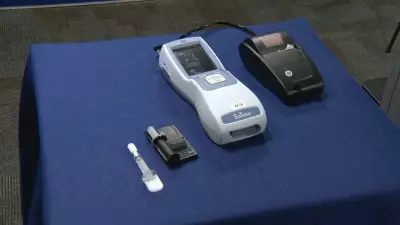
A parasite contamination in the drinking water supply has triggered a critical evacuation of healthcare workers from Kashechewan First Nation in Northern Ontario, compounding earlier failures at the local water treatment plant. This development underscores persistent infrastructure challenges in remote Indigenous communities.
Immediate Evacuation of Medical Staff
Health-care personnel are being forced to leave the community after the discovery of a harmful parasite in the water system. The evacuation follows prior issues with the treatment plant, which had already raised concerns about water safety. Medical services in Kashechewan are now severely disrupted, leaving residents with limited access to essential care.
Background of Water Treatment Failures
Earlier failures at the water treatment plant had set the stage for this crisis, with reports indicating inadequate maintenance and operational shortcomings. The parasite's presence highlights a systemic failure to ensure safe drinking water, a basic necessity that has long been a point of contention in many First Nations across Canada.

Community Impact and Response
The loss of healthcare workers exacerbates existing vulnerabilities in Kashechewan, where residents already face significant health disparities. Local leaders and health officials are scrambling to address the situation, but the evacuation signals a temporary collapse in medical support. Efforts are underway to provide alternative water sources and emergency health services, though long-term solutions remain elusive.
Broader Implications for Indigenous Health
This incident is not isolated; it reflects a broader pattern of neglect in infrastructure and public health for Indigenous communities. Similar water crises have been reported in other First Nations, pointing to a need for sustained investment and policy reforms. The parasite outbreak in Kashechewan serves as a stark reminder of the urgent need to prioritize safe water access as a fundamental human right.
Ongoing monitoring and testing are being conducted to assess the full extent of the contamination and prevent further health risks. The situation remains fluid, with updates expected as authorities work to restore safe water and healthcare services to the affected community.