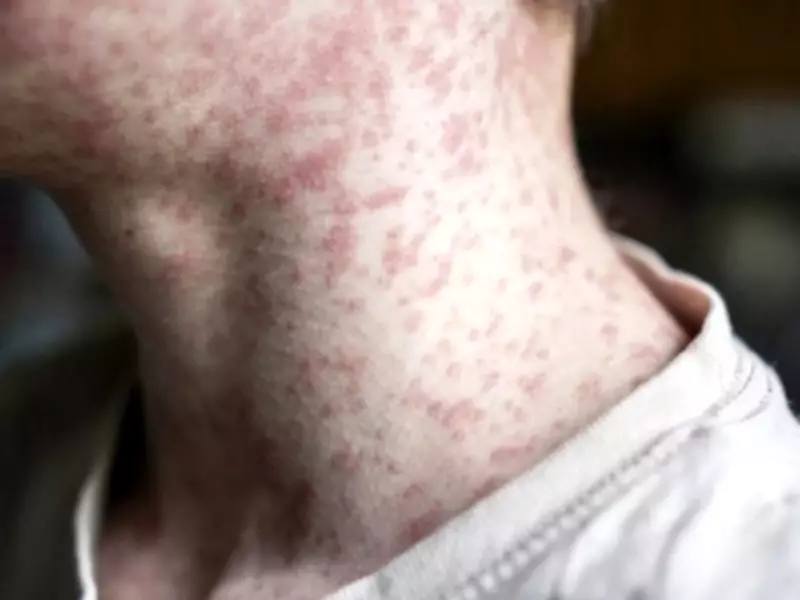
Amid a resurgence of measles across Canada, Quebec's most recent outbreak has officially concluded, according to the province's Health Ministry. However, the highly contagious viral disease continues to spread in other regions, prompting renewed concern among public health officials nationwide.
End of Quebec's Outbreak
Quebec's measles outbreak began in November 2025 and persisted until February 2026. The Health Ministry reported a total of nine cases during this period, spanning the Lanaudière, Laurentians, Laval, and Montreal regions. Additionally, three other cases recorded in the same timeframe were linked to international travel. The province's public health dashboard now indicates no active outbreak, marking a temporary relief for local authorities.
National Measles Situation
Despite Quebec's progress, Canada as a whole is grappling with a significant measles problem. Statistics Canada reports at least 339 measles cases so far in 2026, including 314 confirmed and 25 probable instances. More than two-thirds of these cases were recorded in Manitoba, with Alberta accounting for another substantial share. Other provinces affected include British Columbia, Nova Scotia, Ontario, Saskatchewan, and Quebec.

Loss of Elimination Status
In a troubling development, Canada lost its status as a country that had eliminated measles in November 2025, after more than a year of sustained transmission. This designation had been held for approximately 25 years, highlighting the severity of the current resurgence. Health experts attribute this setback to declining vaccination rates, which have allowed the disease to regain a foothold.
Measles Transmission and Symptoms
Measles spreads through the air when an infected person breathes, coughs, or sneezes. Early symptoms often resemble a common cold, including fever, cough, and nasal congestion, before a characteristic rash appears. There is no specific treatment for the disease, making prevention through vaccination critical.
Vaccination and Protection
Vaccination remains the best defense against measles, according to health authorities. In Quebec, measles vaccination coverage is estimated at about 90 percent, but this may not be sufficient to prevent outbreaks in areas with lower rates. The Quebec Health Ministry advises that individuals who are protected against measles are highly unlikely to contract the disease. For those exposed, monitoring symptoms is recommended.
People who are not vaccinated are advised to isolate from the fifth day after exposure until the 14th day. Vaccination within 72 hours of exposure can help prevent illness, while antibody injections may provide immediate protection if administered within seven days.
Public Health Warnings
Health authorities have warned for several years that declining vaccination rates could lead to measles resurgence in Canada. The current situation underscores the importance of maintaining high immunization levels to protect public health. Officials continue to urge Canadians to ensure they and their families are up-to-date with vaccinations to curb further spread.
As measles cases persist across the country, ongoing vigilance and public health measures are essential to prevent future outbreaks and potentially regain elimination status.