Saskatoon Overdose Calls Surge Following Loss of Drug-Checking Service
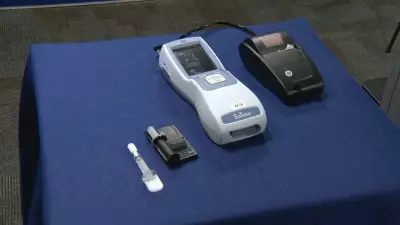
The Ministry of Health has issued a stark warning regarding a significant increase in overdose risks throughout the Saskatoon region. This alarming development coincides directly with the recent discontinuation of a vital drug-checking service that had been operational in the area.
Rising Emergency Calls
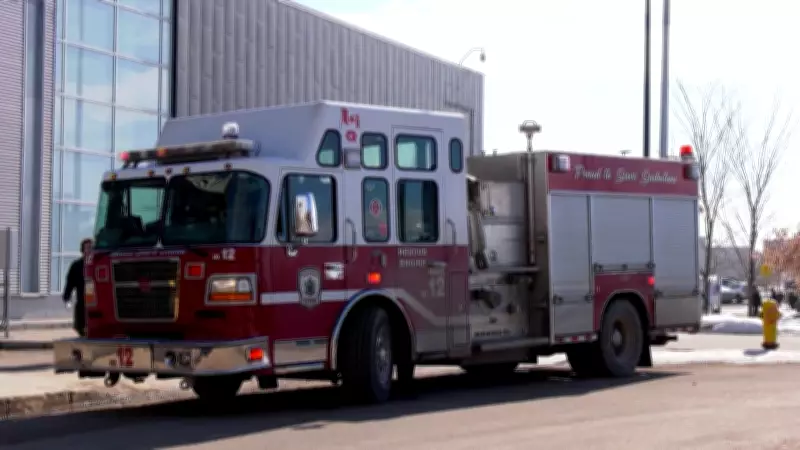
Emergency services in Saskatoon are reporting a sharp and concerning uptick in overdose-related calls. Public health officials attribute this surge to the absence of the drug-checking program, which previously allowed individuals to test substances for dangerous contaminants like fentanyl and carfentanil. Without this crucial harm reduction tool, users are consuming drugs of unknown potency and composition, leading to a higher incidence of life-threatening overdoses.
The loss of this service has created a dangerous gap in the community's safety net, experts say. The program was not only a point of contact for health services but also an early warning system for the presence of particularly toxic batches of drugs circulating in the city.

Public Health Implications
The situation underscores the critical role of harm reduction strategies in addressing the ongoing substance use crisis. "When we remove these evidence-based services, we see the consequences in real-time through increased hospitalizations and fatalities," stated a senior health ministry official, who emphasized the preventative nature of the lost program.
Community advocates and healthcare workers are expressing deep concern. They note that the most vulnerable populations, including those experiencing homelessness and mental health challenges, are disproportionately affected by this service gap. The timing is particularly troubling, as it follows reports from other provinces, like British Columbia, showing that while First Nations overdose deaths dropped in 2025, they remain disproportionately high, indicating a persistent and complex national crisis.
A Call for Action
Local organizations are urging immediate action to restore or replace the drug-checking capacity in Saskatoon. Proposals include:
- Reinstating funding for the previous service or a similar community-led initiative.
- Increasing the distribution of naloxone kits and training for the public.
- Enhancing access to addiction treatment and support services.
- Implementing a real-time drug alert system to warn users of dangerous substances.
The Ministry of Health has acknowledged the severity of the situation but has not yet announced specific plans to address the service gap. The surge in Saskatoon serves as a potent reminder of the tangible human cost when public health interventions are scaled back, leaving communities more exposed to the volatile and deadly illicit drug market.