Uncertainty Over Substances in Myles Gray's System Persists, Toxicologist Testifies
A forensic toxicologist has testified that significant uncertainty persists regarding the substances present in the system of Myles Gray, a 33-year-old business owner from British Columbia's Sunshine Coast, during the investigation into his death. The testimony underscores the complex forensic challenges involved in determining the exact chemical compounds that may have been in his body at the time of the incident.
Ongoing Forensic Investigation
The toxicologist explained that while standard toxicology screenings were conducted, the results have not provided definitive clarity on all substances that might have been present. This uncertainty complicates the broader inquiry into the circumstances surrounding Gray's death, as investigators seek to piece together a complete medical and forensic profile. The testimony highlights how modern forensic science, despite advanced techniques, can still face limitations in identifying every compound, especially in cases where substances degrade or interact in complex ways.
Background on Myles Gray
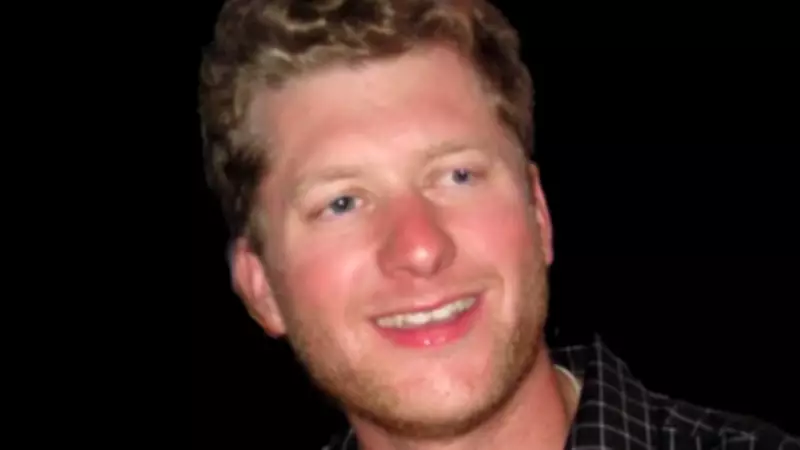
Myles Gray was a well-known figure in his community, remembered through the "Justice for Myles Gray" Facebook page that advocates for transparency and accountability in the investigation. His case has drawn public attention, with many calling for thorough examinations of all evidence, including toxicological data. The recent testimony adds a layer of scientific complexity to the ongoing legal and investigative processes, emphasizing the need for meticulous analysis in such high-profile cases.

Implications for the Case
The persistent uncertainty over substances in Gray's system could impact the direction of the investigation, as it may influence interpretations of his physical condition and potential contributing factors. Forensic experts note that toxicology results are often critical in death inquiries, but ambiguous findings can lead to prolonged debates and require additional testing or expert consultations. This development may prompt further forensic reviews or calls for independent analyses to resolve the lingering questions.
As the investigation continues, authorities are expected to rely on a combination of toxicological evidence, witness statements, and other forensic data to build a comprehensive understanding of the events leading to Gray's death. The toxicologist's testimony serves as a reminder of the intricate nature of forensic science and its pivotal role in justice proceedings.